
Yiwu Market Districts & MOQ Guide 2026: How to Source at the World’s Largest Wholesale Market
Yiwu International Trade City — often called the Yiwu Market or “China Commodity City” — is the largest small-commodities wholesale market on earth, with thousands of stalls across multiple districts. For importers buying gifts, accessories, home goods, and promotional items in small to mid batches, no other single location offers comparable variety under one roof. This guide walks you through the districts, how minimum order quantities (MOQs) really work, and how to buy without getting burned.
Table of Contents
- Why Source from Yiwu
- The Market Districts Explained
- Understanding MOQs at Yiwu
- Step-by-Step Buying Process
- Negotiation & Pricing
- Shipping & Consolidation
- Buyer Readiness Checklist
- Common Mistakes
- Expert Recommendations
- Frequently Asked Questions
Why Source from Yiwu
Yiwu’s value is density. Instead of emailing fifty factories, you walk past thousands of showrooms in a day and compare samples, prices, and finishes side by side. It is ideal for product sourcing of mixed, low-MOQ orders — exactly the kind of assortment a gift shop, Amazon bundler, or promotional-products reseller needs. For made-to-spec private label at scale, a factory direct relationship still beats the market; Yiwu shines for off-the-shelf and lightly customized goods.
The trade-off is control. Stallholders are traders, not always manufacturers, so traceability and consistency require diligence. Treat Yiwu as a discovery and small-batch channel, not your sole production backbone.
The Market Districts Explained
The Trade City is organized into numbered districts, each anchoring a product family. Knowing the layout saves days.
| District | Primary categories | Best for |
|---|---|---|
| District 1 | Toys, artificial flowers, jewelry | Gifts, kids’ items |
| District 2 | Hardware, electronics, luggage | Tools, bags, accessories |
| District 3 | Stationery, sports, cosmetics | Office, promotional |
| District 4 | Daily necessities, socks, hats | Apparel add-ons, home |
| District 5 | Imported goods, beddings, food | Textiles, international lines |
Each district has multiple floors, so confirm the floor plan before you fly. A local sourcing guide can pre-map your target stalls and book appointments, turning a confusing maze into an efficient route.

Understanding MOQs at Yiwu
MOQs vary dramatically by stall. Trading companies may accept a few dozen units of in-stock items; manufacturers exhibiting there often still want full cartons or a few hundred pieces. The lowest MOQs are for ready goods, not custom production.
| Product type | Typical MOQ | Customization |
|---|---|---|
| In-stock trinkets | 10–50 units | None |
| Standard gifts | 100–300 units | Light (color, pack) |
| Branded promo items | 300–1,000 units | Logo, packaging |
| Made-to-spec goods | 1,000+ units | Full custom |
If a stall refuses a small order, ask which nearby exhibitor stocks the same item ready-to-ship. The market’s redundancy is its secret weapon for small buyers.
Step-by-Step Buying Process
- Shortlist online first. Scan Yiwu’s digital platforms and map stalls to your districts before arrival.
- Visit and sample. Physically inspect finish, weight, and packaging; photograph everything with the stall number.
- Collect quotes. Get written prices per unit at your target quantity, including carton specs.
- Consolidate. Use a Yiwu consolidator to merge purchases from many stalls into one container.
- Inspect. Commission a pre-shipment check on the consolidated lot against your AQL.
- Ship. Book LCL or FCL through a freight forwarder experienced with Yiwu exports.
A practical tip: build a simple scorecard for each stall as you walk — price, MOQ, sample quality, communication, and whether they are a maker or trader. By the end of day two you will have a ranked shortlist instead of a phone full of indistinguishable photos. This discipline is what separates buyers who return with a winning assortment from those who return with regrets and a few soggy samples.
Negotiation & Pricing
Listed prices are opening positions, not final. Negotiate on volume, payment terms, and packaging. Ask for the “FOB Ningbo” or “EXW Yiwu” price so you can compare stalls apples-to-apples, then layer logistics on top. Avoid paying full price for “exclusive” items that are visibly identical three stalls down — the market is a commoditized bazaar.
Shipping & Consolidation
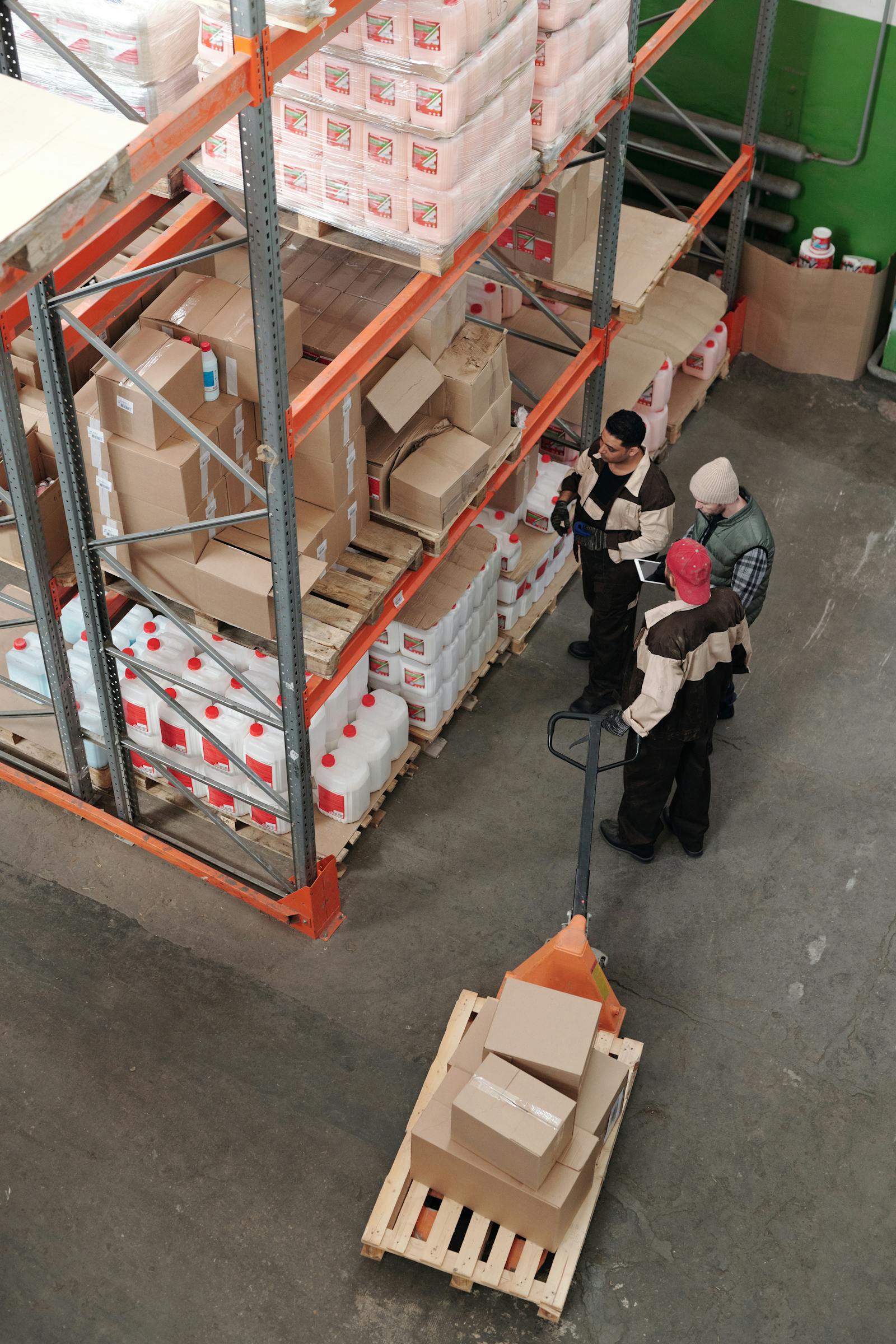
Most Yiwu goods exit via Ningbo or Shanghai. A consolidator receives goods from each stall, warehouses them, quality-checks, and loads one container — this is what makes a 40-stall order manageable. Budget for consolidation fees, carton rework, and the trucking leg to the port. The trade.gov China country commercial guide provides useful background on Chinese export logistics and documentation.
Buyer Readiness Checklist
Before you fly to Yiwu, confirm you have the essentials in place. Buyers who arrive unprepared spend more and decide on incomplete information; buyers who arrive ready turn the market into a procurement engine.
| Item | Status before trip | Why it matters |
|---|---|---|
| Target product shortlist | Mapped to districts | Saves days of wandering |
| Written spec sheet | Per product | Enables comparable quotes |
| Consolidator booked | Yes | Makes multi-stall orders shippable |
| Inspection plan | AQL level set | Catches defects pre-shipment |
| Budget for samples | Allocated | Validates quality before volume |
Common Mistakes
- Skipping the sample check. Photos lie; weights and finishes don’t.
- Ignoring stall identity. Confirm whether you are buying from a maker or a trader reselling.
- No consolidation plan. Forty parcels shipped separately destroys your margin.
- Trusting verbal specs. Get MOQ, price, and carton details in writing.
- Forgetting inspection. Mixed lots need a consolidated AQL check, not per-stall trust.
Expert Recommendations
Go to Yiwu to discover and small-batch buy, not to replace factory-direct production for core SKUs. Pre-map districts, insist on written quotes, consolidate through one trusted partner, and always inspect the merged shipment. For custom private-label volume, use the market for inspiration, then move to a vetted factory. A local sourcing partner turns the market’s chaos into a repeatable buying system.
Key takeaway: Yiwu wins for variety and low-MOQ mixed orders. Map the districts, negotiate written FOB prices, consolidate through one partner, and inspect the consolidated lot before it ships.
Frequently Asked Questions
What is the Yiwu Market best for?
Small to mid-batch off-the-shelf and lightly customized goods: gifts, accessories, home items, toys, and promotional products. It is unmatched for variety under one roof.
What are the typical MOQs?
In-stock items can start at 10–50 units; standard gifts run 100–300; branded promo items 300–1,000; fully custom production usually 1,000-plus.
Which district should I visit first?
It depends on your category: District 1 for toys and jewelry, District 2 for hardware and luggage, District 3 for stationery and sports, District 4 for daily goods, District 5 for textiles and imports.
Can I buy branded or custom items there?
Yes, many stalls offer light customization like logos and packaging at higher MOQs, but full private-label tooling is better handled with a direct factory.
How do I ship a multi-stall order?
Use a Yiwu consolidator to receive goods from all stalls, warehouse, inspect, and load one container, then ship via Ningbo or Shanghai.
Is Yiwu cheaper than Alibaba or 1688?
Not always on unit price, but the ability to compare thousands of suppliers in person and buy tiny MOQs is the real advantage. Online platforms still win for spec’d repeat production.
Do I need a guide to visit Yiwu?
Not strictly, but a local sourcing partner saves days, pre-maps stalls, handles negotiation and consolidation, and protects you from trader misrepresentation.
Yiwu rewards preparation. Buyers who arrive with a mapped shortlist, written quote discipline, and a consolidation plan leave with better assortment and lower landed cost than those who wander the stalls hoping for bargains.
Conclusion
The Yiwu Market is the world’s best single destination for low-MOQ, high-variety wholesale buying. Learn the districts, negotiate written prices, consolidate, and inspect — and it becomes a powerful complement to your factory-direct sourcing.
Need Help Sourcing Products from China?
Request a free sourcing consultation with Woosourcing.
Our team can help you with:
- Product sourcing
- Supplier verification
- Factory audits
- Quality inspections
- Private label manufacturing
- International shipping
Contact us today for a free quotation.




Recent Comments