
Last updated on August 1st, 2026 at 01:11 am
Direct answer: To source textiles and apparel from China successfully, target the right manufacturing cluster for your garment type (Guangzhou for fast fashion, Ningbo/Shanghai for knitwear and outerwear, Shaoxing for fabrics), provide factories with a complete tech pack, order lab dips and pre-production samples before committing, and lock quality with an AQL-based pre-shipment inspection. Typical MOQs run 300–1,000 pieces per style and total lead times 45–90 days from sample approval.
China remains the world’s largest textile and garment exporter, offering the deepest fabric supply chain on earth. But apparel is also one of the most defect-prone and specification-sensitive categories in sourcing. This guide walks through the full process — from choosing a cluster to compliance and landed cost.
Table of Contents
- Why Source Apparel from China?
- China’s Textile & Apparel Manufacturing Clusters
- Fabric Selection Basics
- The Tech Pack: Your Most Important Document
- Step-by-Step Sourcing Process
- Quality Control for Garments
- Compliance and Labeling
- Cost Breakdown Example
- Practical Examples
- Common Mistakes
- Expert Recommendations
- FAQ
Why Source Apparel from China?
Despite rising labor costs and competition from Vietnam and Bangladesh, China holds decisive advantages for most small and mid-size apparel brands:
- Complete vertical supply chain: yarn, fabric mills, dye houses, trims, zippers, labels, and packaging all within one region — no other country matches this.
- Low-to-mid MOQs: many Chinese factories accept 300–500 pieces per style; Bangladesh typically demands 2,000+.
- Speed: fabric-in-stock programs can turn production in 25–35 days.
- Technical breadth: performance fabrics, seamless knitting, down outerwear, and technical sportswear capabilities are concentrated in Chinese clusters.
China’s Textile & Apparel Manufacturing Clusters
Choosing the right city matters more in apparel than in almost any other category:
| Cluster | Specialty | Typical Buyer |
|---|---|---|
| Guangzhou / Dongguan | Fast fashion, woven shirts, dresses, denim, small-batch flexibility | Boutique brands, Shopify stores |
| Ningbo / Shanghai | Knitwear, suits, outerwear, larger factories with export experience | Mid-size brands, department store programs |
| Shaoxing (Keqiao) | World’s largest fabric market — woven and knit fabrics, dyeing | Brands buying fabric separately (CMT model) |
| Humen (Dongguan) | Womenswear, fast-turn small orders | Instagram/TikTok fashion sellers |
| Shishi / Quanzhou | Sportswear, children’s wear, casual wear | Athleisure and kidswear brands |
| Tonglu / Zhuji | Knitting, socks, hosiery, seamless | Sock and underwear brands |
Fabric Selection Basics
Fabric drives 50–70% of garment cost and most quality complaints. Decide three things before quoting:
- Composition: e.g. 100% combed cotton, CVC 60/40, polyester-spandex 95/5. Small composition changes shift cost significantly.
- Weight: specified in GSM (grams per square meter) — a 180 GSM t-shirt and a 220 GSM t-shirt are different products.
- Construction & finish: single jersey vs interlock, brushed, peached, enzyme-washed, water-repellent coating.
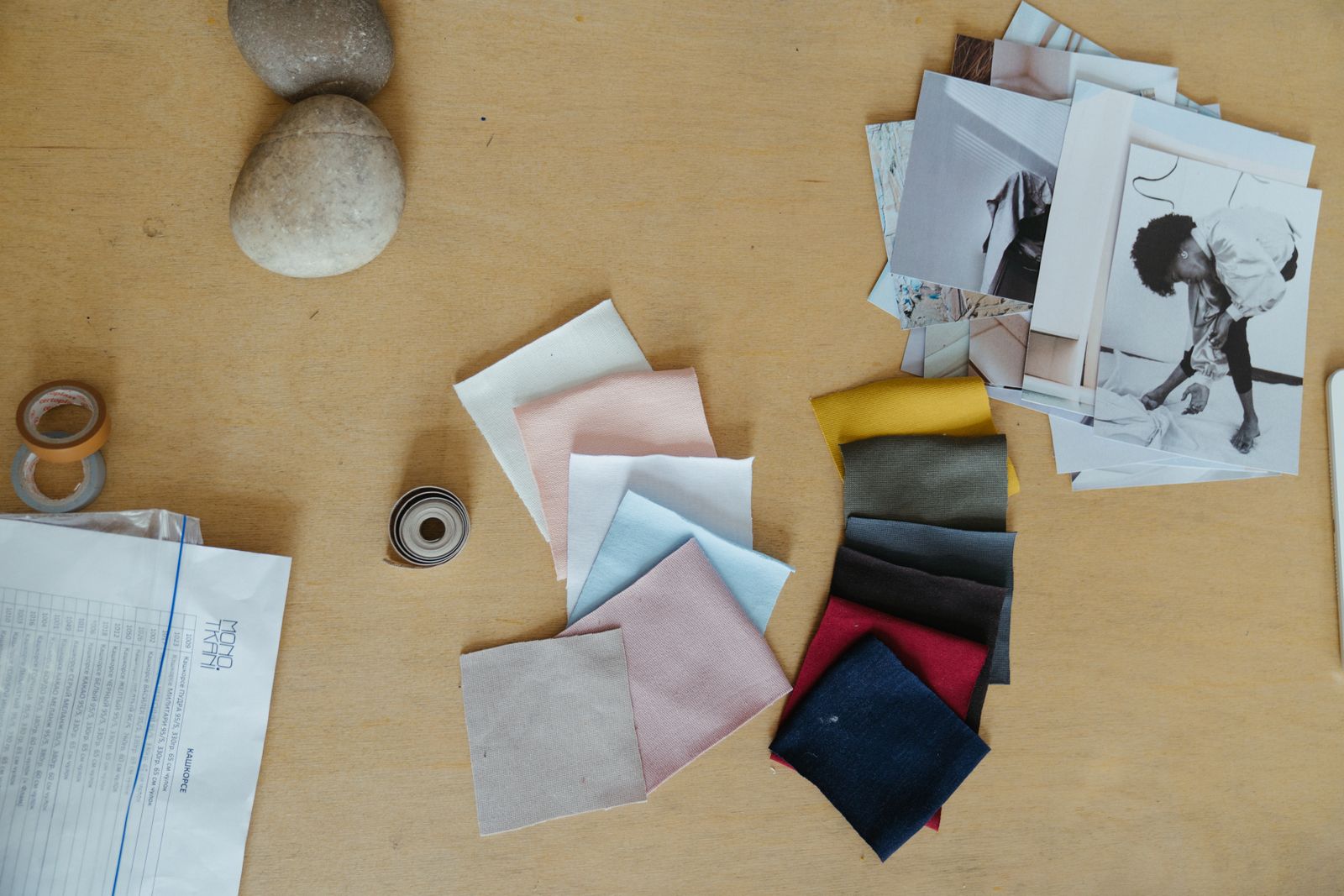
Expert tip: Always request a fabric swatch card and approve a lab dip (dyed fabric sample matching your Pantone color) before bulk dyeing. Color disputes are the most common apparel claim — and unwinnable without an approved standard.
The Tech Pack: Your Most Important Document
Definition: A tech pack is a technical specification document containing flat sketches, measurement charts (with tolerances), fabric and trim details, stitching specs, label placement, and packaging instructions. Factories quote against it, sample against it, and are held accountable to it.
A complete tech pack includes:
- Front/back flat drawings with callouts
- Graded size chart (e.g. XS–XXL) with tolerance per point of measure
- Bill of materials: fabric, thread, zippers, buttons, labels, hangtags
- Colorways with Pantone TCX codes
- Stitch types and seam construction (e.g. flatlock, coverstitch)
- Care label content and packaging/folding instructions
If you have only a reference sample and no tech pack, a development partner can reverse-engineer it — our product development services cover tech pack creation, sampling, and fit iteration.
Step-by-Step Sourcing Process
- Shortlist 5–8 factories in the right cluster (platforms, trade fairs, or a sourcing agent).
- Send the tech pack for quotation — compare FOB prices at equal specs, not headline prices.
- Order proto samples (2–3 factories): judge workmanship, fit, and communication.
- Approve lab dips and fabric bulk swatch.
- Approve the pre-production (PP) sample — this becomes the binding quality standard.
- Place the order with 30/70 T/T terms and the PP sample referenced in the contract.
- In-line inspection (during production) for orders above ~1,000 pieces.
- Final AQL pre-shipment inspection before the balance payment.
Quality Control for Garments
Garment QC has category-specific checkpoints beyond the standard AQL sampling used for general goods (see our guide to quality control in China manufacturing):
| Checkpoint | What Is Verified | Common Defects |
|---|---|---|
| Measurement audit | 10+ points of measure vs size chart tolerance | Out-of-tolerance chest/length, inconsistent grading |
| Fabric inspection | GSM check, composition burn test, shade variation | Lighter GSM than quoted, shade bands between rolls |
| Workmanship | Stitching density, seam strength, loose threads | Skipped stitches, twisted seams, untrimmed threads |
| Color fastness | Rub test, wash test | Dye transfer, fading after first wash |
| Labeling & packing | Care labels, barcodes, polybag warnings, carton marks | Wrong size stickers, missing fiber content |
Compliance and Labeling
Apparel imports face strict labeling rules. For the U.S. market you must comply with fiber content labeling (Textile Fiber Products Identification Act), country-of-origin marking, care labeling, and — for children’s wear — CPSIA requirements including flammability and lead limits with a Children’s Product Certificate. The International Trade Administration maintains official guidance on import requirements and tariff classification.
- Fiber content label: exact percentages, in English, permanently attached.
- Country of origin: “Made in China” on a label at the neck or equivalent conspicuous location.
- Care instructions: washing symbols or text per FTC Care Labeling Rule.
- Children’s sleepwear: additional flammability standards — treat as a specialist category.
Cost Breakdown Example
Illustrative landed-cost stack for 1,000 mid-weight cotton t-shirts (220 GSM, custom print):
| Cost Item | Per Unit (USD) | Share |
|---|---|---|
| Fabric + trims | $1.90 | ~44% |
| Cut & sew labor + factory margin | $1.25 | ~29% |
| Printing + packaging | $0.45 | ~10% |
| Inspection (prorated) | $0.15 | ~3% |
| Sea freight + duties (varies) | $0.60 | ~14% |
| Estimated landed cost | $4.35 | 100% |
Rule of thumb: FOB price is typically only 70–85% of true landed cost once freight, duty, and QC are included.
Practical Examples
Example 1: Shopify Athleisure Brand
A Canadian athleisure startup sourced leggings from a Quanzhou sportswear factory at 500 pieces per colorway. The first proto sample failed the squat-test opacity check; the factory switched to a 280 GSM nylon-spandex interlock. After PP approval and a passed AQL 2.5 inspection, returns ran under 3% — versus 11% with a previous unvetted supplier.
Example 2: Private Label Basics Line
A U.S. Amazon seller launched a 3-SKU t-shirt line using a Guangzhou factory with in-stock fabric, cutting lead time to 30 days. Combining sizes across colors met the 800-piece MOQ. A low-MOQ approach like this pairs well with the strategies in our low MOQ private label guide.
Example 3: The Missing Tech Pack
A UK brand ordered 2,000 dresses from a WeChat contact using only reference photos. The delivered goods used a cheaper polyester chiffon with visible shade variation between batches. With no tech pack or approved PP sample, there was no contractual standard to claim against — a total write-off.
Common Mistakes
- Quoting without GSM and composition specified — factories quote the cheapest interpretation.
- Skipping the PP sample and going straight to bulk after a proto.
- Approving colors on screen instead of physical lab dips.
- Ignoring shade-band control across fabric rolls on large orders.
- Paying the balance before the final inspection — you lose all leverage.
- Treating kidswear like adult apparel — CPSIA testing is mandatory, not optional.
Expert Recommendations
- Start with 1–3 styles, not a full collection: validate the factory before scaling breadth.
- Always dual-approve: lab dip + PP sample signed off in writing before bulk cutting.
- Book inspections early: third-party garment inspectors are scarce before Chinese New Year and Golden Week.
- Keep a golden sample: a sealed, signed PP sample at your office and one at the factory prevents “he said, she said” disputes.
- Plan around fabric lead time: custom-dyed fabric adds 15–25 days versus in-stock programs — build your launch calendar accordingly.
Frequently Asked Questions
What is the MOQ for clothing manufacturers in China?
Typical MOQs are 300–1,000 pieces per style, often split across sizes and 1–2 colorways. Fast-fashion clusters like Guangzhou and Humen accept lower quantities (100–300 pieces) at higher unit prices.
How much does it cost to manufacture clothing in China?
Basic t-shirts run $2.50–$4.50 FOB, hoodies $6–$12, dresses $5–$15, and technical outerwear $15–$40+, depending on fabric, construction, and order size. Fabric typically accounts for 50–70% of garment cost.
How long does apparel production take in China?
From PP sample approval: 25–35 days with in-stock fabric, 45–60 days with custom-dyed fabric, plus 30–40 days sea freight to the U.S. or Europe. Total calendar time from first contact is commonly 90–120 days.
What is a tech pack and do I really need one?
A tech pack is the technical blueprint of your garment — sketches, measurements, materials, and construction details. Yes, you need one: it is the contractual quality standard factories quote and produce against, and your only basis for defect claims.
Which city in China is best for clothing manufacturing?
Guangzhou/Dongguan for fast fashion and small batches, Ningbo/Shanghai for knitwear and outerwear, Quanzhou/Shishi for sportswear, Zhuji for socks and seamless, and Shaoxing (Keqiao) for fabric buying.
How do I control quality for garments made in China?
Lock an approved PP sample as the standard, add an in-line inspection for larger orders, and always run a final AQL-based pre-shipment inspection covering measurements, fabric GSM, workmanship, color fastness, and labeling before paying the balance.
What certifications matter for apparel from China?
For fabric safety, OEKO-TEX Standard 100 is the most recognized. For the U.S., children’s apparel requires CPSIA compliance with third-party testing; the EU requires REACH compliance. Organic claims need GOTS certification with a valid transaction certificate.
Conclusion
Sourcing apparel from China rewards specification discipline. Pick the cluster that matches your garment type, invest in a real tech pack, approve lab dips and PP samples in writing, and never ship without a final inspection. Brands that follow this sequence routinely achieve boutique-level quality at wholesale prices — and avoid the write-offs that kill undisciplined competitors.
Need Help Sourcing Products from China?
Request a free sourcing consultation with Woosourcing.
Our team can help you with:
- Product sourcing
- Supplier verification
- Factory audits
- Quality inspections
- Private label manufacturing
- International shipping




Recent Comments