
Last updated on July 22nd, 2026 at 02:26 am
Launching a branded product used to mean ordering thousands of units and tying up tens of thousands of dollars before a single sale. That barrier is collapsing. Thanks to a new wave of flexible Chinese factories, low MOQ private label manufacturing now lets solo founders and small brands test products with orders as small as 50 to 500 units. This guide explains exactly how to source low minimum order quantity (MOQ) private label products from China in 2026, which categories are best, how to vet suppliers, and how to avoid the costly mistakes that sink first-time importers.
Table of Contents
- What Is Low MOQ Private Label Manufacturing?
- Why China Leads in Low MOQ Production
- Step-by-Step: Launch a Low MOQ Private Label Product
- Best Product Categories for Low MOQ Private Label
- How to Find Reliable Low MOQ Manufacturers
- Negotiating MOQs and Unit Price
- Common Mistakes to Avoid
- Expert Recommendations
- Frequently Asked Questions
What Is Low MOQ Private Label Manufacturing?
Private label manufacturing is when a factory produces a product to your specifications and applies your brand, logo, and packaging. You own the brand; the factory owns the production. “Low MOQ” simply means the factory accepts a small minimum order — typically anywhere from 50 to 1,000 units depending on the product, versus the 3,000–10,000 units traditional OEM lines once demanded.
Private Label vs. OEM vs. ODM
| Model | Who Designs? | MOQ Range | Brand Control | Best For |
|---|---|---|---|---|
| Private Label | Factory (standard base product) | 50–1,000 | Logo, packaging, minor tweaks | Fast launch, low risk |
| OEM | You (full custom design) | 500–5,000+ | Full control | Unique patented products |
| ODM | Factory (you pick existing design) | 300–3,000 | Medium | Differentiated but fast |
What Counts as “Low MOQ”?
In 2026, a realistic low MOQ benchmark by channel:
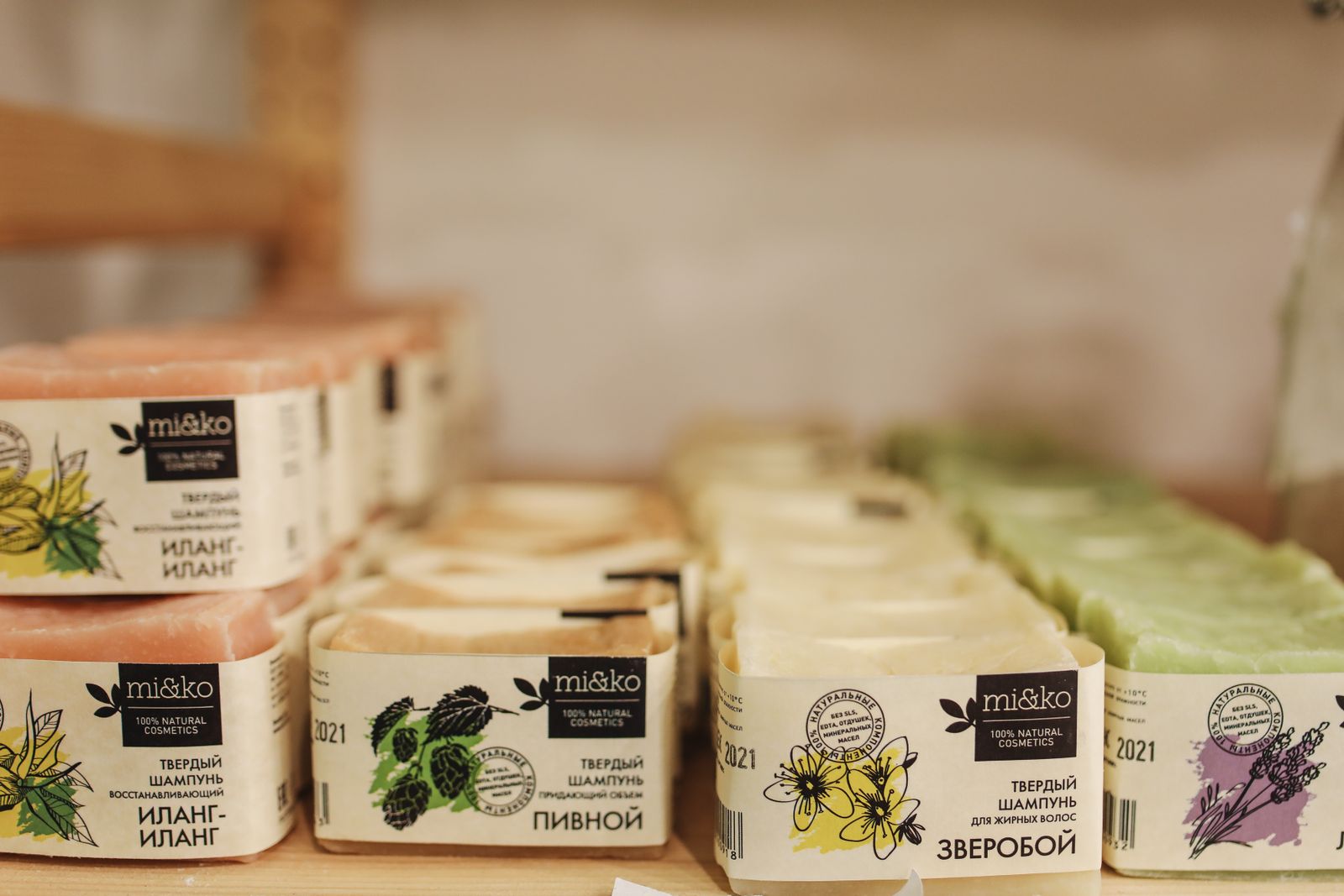
- Packaging & labeling only: 100–500 units (you buy generic stock and relabel).
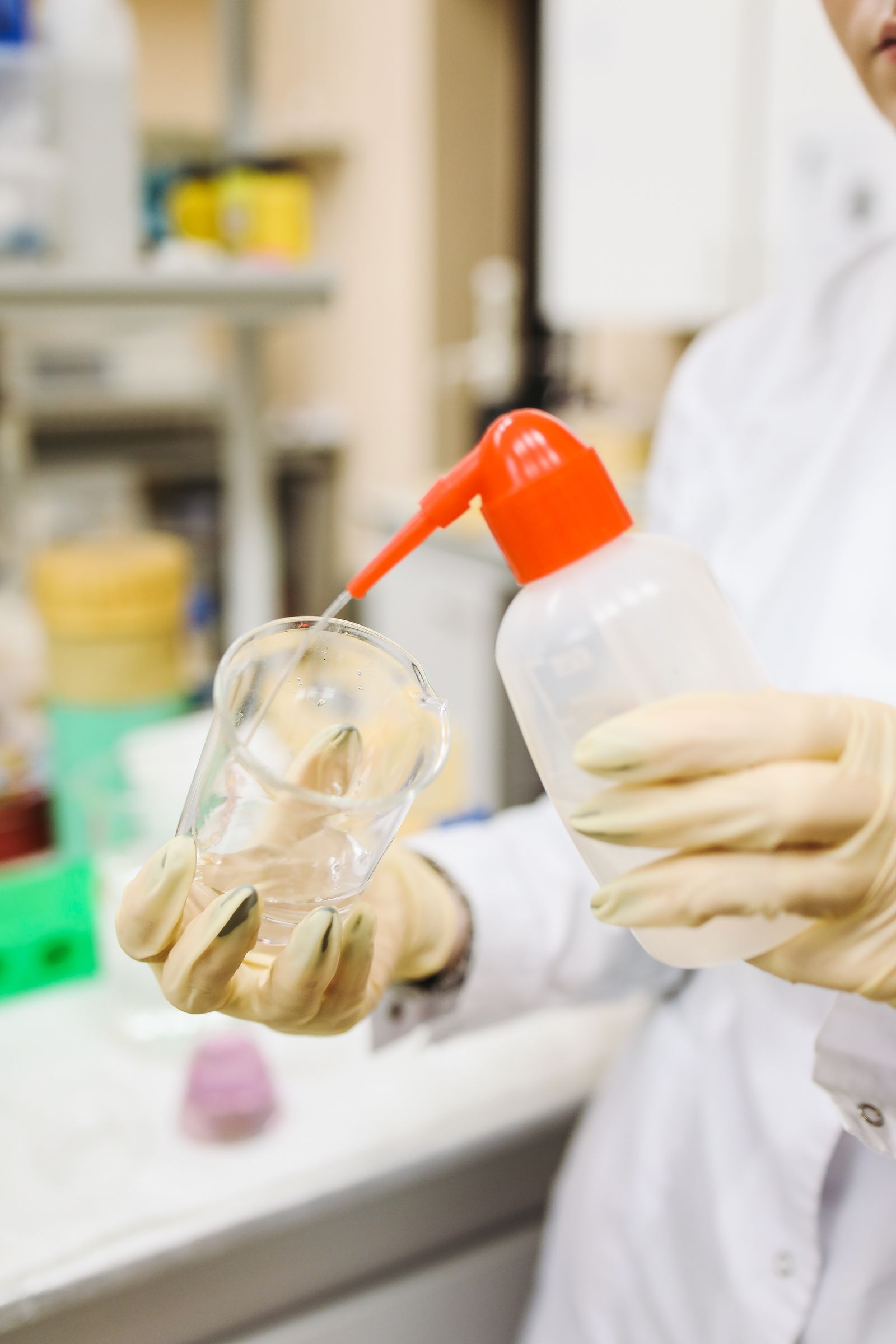
- Cosmetics & skincare: 100–1,000 units per SKU.
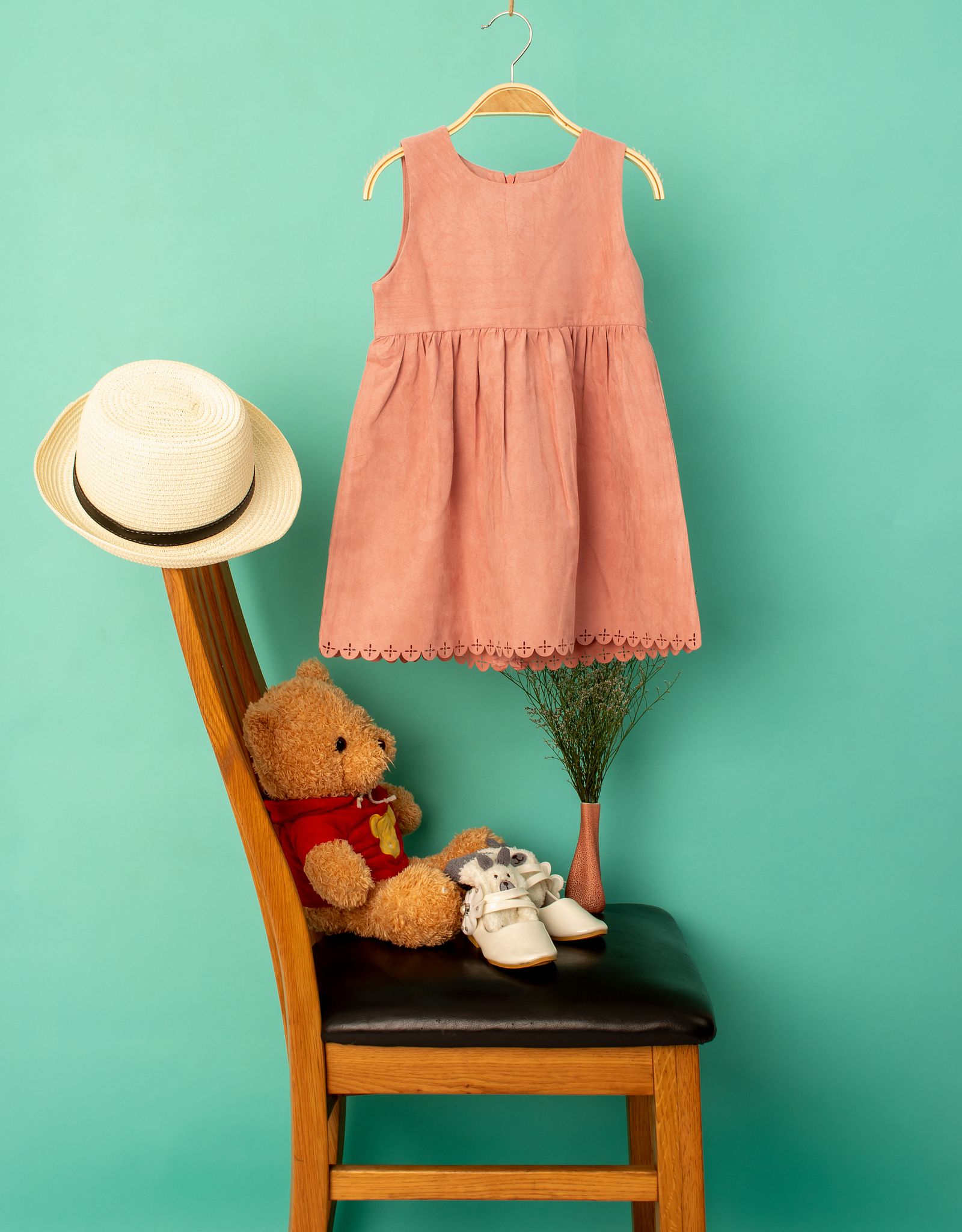
- Apparel & accessories: 50–300 pieces per style/color.
- Electronics & gadgets: 500–2,000 units (tooling drives the floor).
- Supplements & powders: 250–1,000 units (blister or pouch packs).
Why China Leads in Low MOQ Production
China is no longer only the home of million-unit megafactories. A large tier of mid-size and specialized workshops now runs flexible, small-batch lines to serve cross-border sellers on Amazon, Shopify, and TikTok Shop.
| Factor | Why It Helps Small Brands |
|---|---|
| Cluster ecosystems | Yiwu, Shenzhen, and Guangzhou concentrate suppliers, materials, and packaging within one city — enabling fast, small runs. |
| Mature packaging supply chain | Custom boxes, labels, and inserts can be produced in 7–14 days at low cost. |
| Digital quoting | Platforms like Alibaba and Global Sources let you filter by MOQ and get instant quotes. |
| Experience with export | Factories handle HS codes, labeling, and shipping documents for first-time importers. |
When you are ready to scale, our product sourcing service helps you move from prototype to mass production without losing quality control.
Step-by-Step: Launch a Low MOQ Private Label Product
- Validate demand first. Confirm search volume and competitor pricing on Amazon or Google Trends before committing budget.
- Shortlist 5–8 suppliers. Use Alibaba, 1688, and Global Sources, filtering for “Low MOQ” and “Private Label” badges.
- Request samples. Order 2–3 samples from different factories to compare quality, not just price.
- Verify the supplier. Run a business license check and, for higher volumes, a factory audit. See our extra services for verification support.
- Negotiate MOQ and price. Ask for a “first order trial” MOQ; many factories drop minimums for new clients.
- Finalize artwork and packaging. Send print-ready files (PDF/AI) and confirm a pre-production sample.
- Place the trial order. Start at 200–500 units to validate fulfillment and returns.
- Inspect before shipping. A third-party quality inspection catches defects before they reach your customers.
Best Product Categories for Low MOQ Private Label
| Category | Typical MOQ | Lead Time | Notes |
|---|---|---|---|
| Beauty & skincare | 100–500 | 15–25 days | Formula tweaks possible; labeling is the easy part |
| Apparel & activewear | 50–300 | 10–20 days | Per style/color; print-on-demand also an option |
| Supplements & vitamins | 250–1,000 | 20–30 days | Requires certs (GMP, FDA facility) |
| Home & kitchen gadgets | 300–1,000 | 20–35 days | Tooling may add cost |
| Pet products | 200–800 | 15–25 days | Fast-growing niche |
How to Find Reliable Low MOQ Manufacturers
Low MOQ attracts many middlemen. To reach real factories:
- Use “Trade Assurance” suppliers on Alibaba with verified transaction history.
- Filter 1688 by “加工” (processing) and request the factory’s 营业执照 (business license).
- Attend Canton Fair or Yiwu Market to meet small-batch specialists face to face.
- Request a video factory tour before ordering — legitimate workshops will gladly show their line.
- Verify export documents such as the supplier’s customs registration number.
Negotiating MOQs and Unit Price
| Lever | How to Use It |
|---|---|
| Trial order | “I’ll start at 200 units; reorder 2,000 if it sells.” Factories love proven reorders. |
| Shared mold/tooling | Ask if existing tooling fits your design to avoid setup fees. |
| Annual forecast | Sharing a believable 12-month plan can unlock lower pricing. |
| Combine SKUs | Spread the MOQ across color or size variants in one order. |
Expert tip: Never accept the first MOQ quote. A polite second message (“Can you do 300 instead of 500 for a first order?”) lowers minimums 30–50% of the time.
Common Mistakes to Avoid
- Skipping the sample stage — a $40 sample saves a $4,000 bad batch.
- Ignoring certifications — cosmetics and supplements need compliant labels for your market.
- Choosing price over communication — slow, vague suppliers cause launch delays.
- No inspection — small batches still ship defective units to customers.
- Underestimating shipping — air freight on 300 units can erase margin if unbudgeted.
Expert Recommendations
- Start with packaging-only private label. It carries the lowest MOQ and fastest learning curve.
- Build a supplier scorecard. Rate each factory on response time, sample quality, and documentation.
- Plan the reorder path. Confirm the factory can scale 10x before you invest in marketing.
- Protect your brand. Trademark your name in your target market before launch.
Frequently Asked Questions
1. What is a good MOQ for a first private label order from China?
A good first-order MOQ is 100–500 units. This is large enough to get a reasonable per-unit price yet small enough to test the market without heavy inventory risk.
2. Is low MOQ private label more expensive per unit?
Yes, unit cost is typically 15–40% higher than at 5,000+ units because setup and tooling are spread over fewer pieces. The trade-off is far lower upfront capital and faster validation.
3. Which platform is best for finding low MOQ Chinese suppliers?
Alibaba (filter “Low MOQ” + “Trade Assurance”) is the safest starting point for international buyers. 1688 offers lower prices but requires a Chinese agent and language support.
4. Can I private label with only 50 units?
For simple products like apparel, stickers, or print-on-demand items, yes. For formulated goods (cosmetics, supplements), 100–250 units is a more realistic floor due to mixing and filling minimums.
5. Do I need a factory audit for a 200-unit order?
Not usually, but you should verify the business license and request a sample. For orders above 1,000 units or higher-risk categories, a factory audit is strongly recommended.
6. How long does low MOQ private label take from sample to delivery?
Typically 4–8 weeks: 1–2 weeks for samples, 2–4 weeks production, and 1–2 weeks shipping (air) or 4–6 weeks (sea).
7. What documents do I need to import private label goods?
At minimum: commercial invoice, packing list, bill of lading/air waybill, and any product-specific certificates. The U.S. International Trade Administration publishes market-specific import requirements.
Conclusion
Low MOQ private label manufacturing in China has democratized branded product launches. With 100–500 unit trial orders, founders can validate ideas, refine packaging, and build a real brand before scaling. The keys are disciplined supplier verification, sample testing, and a clear reorder plan. Start small, inspect everything, and let sales data — not guesswork — drive your scale-up.
Need Help Sourcing Products from China?
Request a free sourcing consultation with Woosourcing.
Our team can help you with:
- Product sourcing
- Supplier verification
- Factory audits
- Quality inspections
- Private label manufacturing
- International shipping
Contact us today for a free quotation.
Recent Comments