
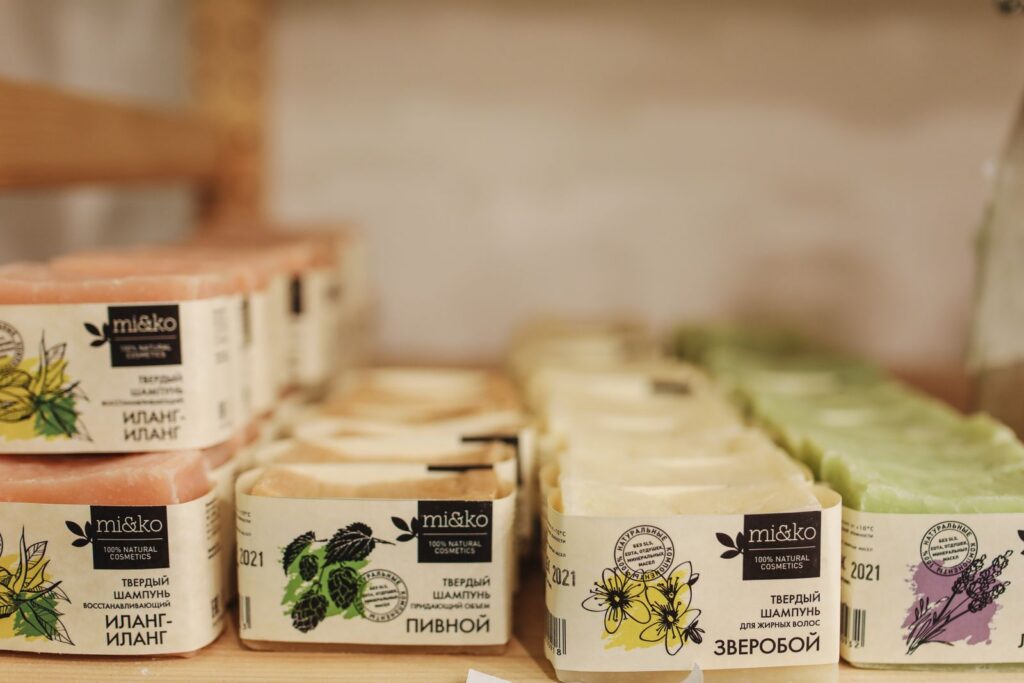
Quick Answer: Private label manufacturing is a business model in which a retailer or entrepreneur contracts an existing factory to produce a product that is then sold under the buyer’s own brand. Instead of inventing a new product from scratch, you choose a proven formula, customize the packaging, logo, and label, and bring it to market under your own name. This guide explains how private label works, how to find manufacturers, what it costs, and the exact steps to launch your first private label product in 2026.
Table of Contents
- What Is Private Label Manufacturing?
- Private Label vs White Label vs OEM
- Why Brands Choose Private Label
- How to Find Private Label Manufacturers
- Step-by-Step Process to Launch a Product
- Cost Breakdown: What You’ll Actually Spend
- 7 Common Mistakes to Avoid
- Expert Recommendations
- Frequently Asked Questions
- Conclusion
What Is Private Label Manufacturing?
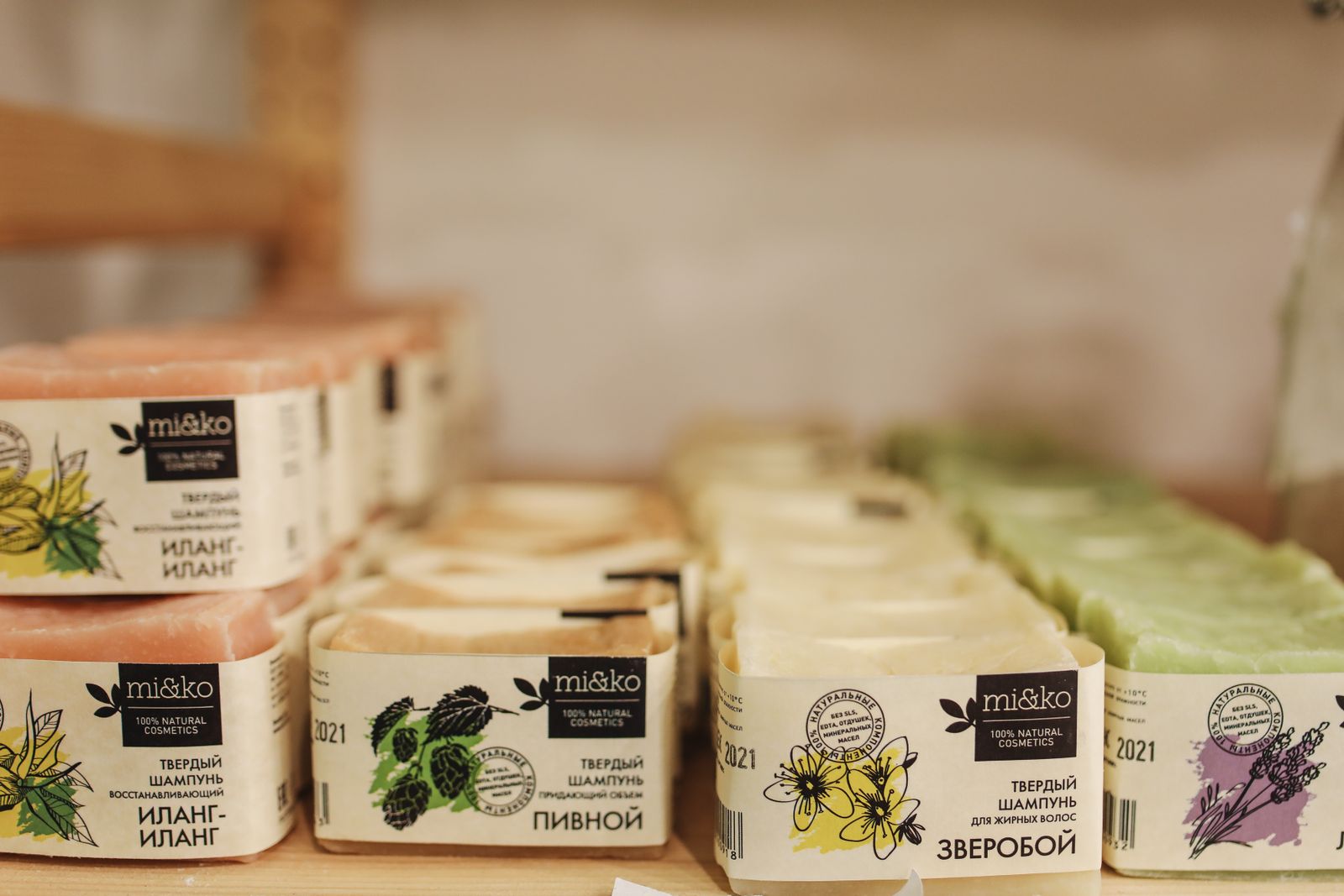
Private label manufacturing is the practice of outsourcing the production of a physical product to a factory, then selling that product under your own brand. The factory may already make the item for other retailers; what changes is the label, the packaging, the color, the formulation, or a combination of these. The retailer controls the marketing, the pricing, the sales channel, and the customer relationship. The factory simply produces what is ordered.
Private label products exist in almost every category: cosmetics, supplements, pet food, candles, coffee, snacks, cleaning supplies, apparel, electronics accessories, fitness equipment, and home goods. In many product categories, the same factory produces both nationally advertised brands and the store-brand version sitting next to them on the shelf. The difference is not the formula. The difference is the brand, the packaging, and the marketing budget.
For an entrepreneur or small business, this model removes the most expensive part of building a product company: building a factory. You skip tooling, skip R&D, skip hiring production staff, and go straight to branding, sales, and distribution.
Private Label vs White Label vs OEM
These three terms are often used interchangeably, but they describe different levels of customization and control.
| Model | Customization Level | Who Owns the Formula? | Typical MOQ |
|---|---|---|---|
| White Label | Generic product you rebrand as-is | Manufacturer | Very low (50-100 units) |
| Private Label | Existing formula with custom label, packaging, scent, or color | Manufacturer, with your brand | Low to medium (500-1,000 units) |
| OEM (Original Equipment Manufacturer) | Fully custom product built to your specifications | You (the brand) | Higher (1,000-5,000+ units) |
| ODM (Original Design Manufacturer) | Manufacturer’s existing design, minor customization | Manufacturer | Medium |
For most first-time brand owners, private label is the sweet spot. You get meaningful differentiation through packaging, scent, color, and label design, but you avoid the high minimums and tooling costs of full OEM manufacturing.
Why Brands Choose Private Label Manufacturing
Private label has become the default go-to-market strategy for Amazon FBA sellers, Shopify founders, and direct-to-consumer brands. The reasons are practical.
- Lower upfront capital. No factory to build, no molds to create. Most private label launches cost between $2,000 and $15,000.
- Faster time to market. A product can move from concept to a warehouse in 60-90 days with an established factory.
- Full brand control. You own the brand, the customer relationship, the reviews, and the email list.
- Higher margins. A bottle of shampoo that costs $1.20 to make can retail for $18.00 under a trusted brand name.
- Channel flexibility. Sell on Amazon, Shopify, TikTok Shop, retail, or wholesale. You decide.
- Asset value. A private label brand with consistent sales is a sellable business.
How to Find Private Label Manufacturers
Four main sourcing channels exist for private label products. Each has trade-offs in price, minimum order quantity, and risk.
1. Alibaba and Global Sources
Alibaba remains the largest B2B directory in the world, with verified private label factories in nearly every category. Most accept custom labels, custom packaging, and small-batch OEM adjustments. Always verify the supplier through a third-party audit before sending a deposit. Look for Gold Suppliers with several years of transaction history and request references from existing Western clients.
2. Trade Shows
The Canton Fair (Guangzhou), Cosmoprof, the Hong Kong Gifts & Premium Fair, and the China International Hardware Show let you meet private label factory representatives face to face. You can see product samples, evaluate quality in person, and build relationships faster than by email.
3. Industry-Specific Sourcing Agents
A China sourcing agent specializes in finding private label manufacturers for specific categories, negotiating pricing, and managing quality control on your behalf. For first-time importers, an agent is often the difference between a profitable launch and an expensive lesson.
4. Domestic and Regional Manufacturers
For food, supplements, cosmetics, and pet products, factories in the United States, Europe, and Southeast Asia offer private label services with shorter shipping distances and easier regulatory compliance. Pricing is usually higher, but lead times and communication are simpler.
Step-by-Step Process to Launch a Private Label Product
Follow this sequence to bring a private label product from idea to inventory.
- Choose a product category. Pick a category you understand with a price point that supports the unit economics. Look for strong repeat purchase, healthy margins, and moderate competition.
- Research competitors. Analyze 15-30 existing brands on Amazon and independent Shopify stores. Identify gaps, complaints, and opportunities for differentiation.
- Request samples from 3-5 factories. Compare formulation, packaging quality, lead time, and communication. Pay for samples; free samples are usually a red flag.
- Negotiate pricing and MOQ. Most private label factories accept 500-1,000 units as a starting minimum. Negotiate pricing tiers for the first re-order.
- Design your label and packaging. Comply with FDA labeling rules, EU regulations, or local market requirements. Work with a designer who understands your product category.
- Place your first production order. Pay a 30% deposit. The factory will arrange raw materials and schedule production.
- Arrange a pre-shipment inspection. A quality inspection before shipping catches defects before they reach your warehouse.
- Ship and launch. Use air freight for small urgent orders, sea freight for larger inventory builds. Launch on your chosen channel, collect customer feedback, and improve the product on the second production run.
Cost Breakdown: What You’ll Actually Spend
The table below shows realistic budget ranges for launching a private label product manufactured in China and sold on Amazon FBA or Shopify.
| Cost Item | Low Estimate | High Estimate |
|---|---|---|
| Product samples (3-5 suppliers) | $150 | $500 |
| Initial inventory (1,000 units) | $1,500 | $8,000 |
| Custom label & packaging design | $300 | $2,000 |
| Custom molds or tooling (if needed) | $1,000 | $10,000 |
| Freight & duty to destination | $800 | $4,000 |
| Pre-shipment inspection | $200 | $400 |
| Amazon FBA prep & fees (first shipment) | $500 | $2,000 |
| Photography & listing assets | $200 | $1,500 |
| Total estimated launch cost | $4,650 | $28,400 |
Key Takeaway: A focused private label launch can be done for under $5,000 if you skip custom tooling and source from a factory that already produces your product category. Budget for marketing separately, because product cost is only half of the equation.
7 Common Mistakes to Avoid
- Skipping the sample stage. Approving mass production from a single photo is the most common cause of catastrophic launches.
- Choosing the cheapest factory. The lowest price almost always produces the highest defect rate.
- Ignoring regulatory compliance. Cosmetics, supplements, food, and electronics all carry specific labeling and testing requirements.
- Underestimating working capital. The factory wants a deposit. Freight wants payment. Most first-time brands run out of cash before the second order ships.
- Weak packaging design. Customers cannot evaluate a private label product without trusting the brand.
- No quality control plan. If you are not inspecting, you are guessing. A pre-shipment inspection is a few hundred dollars and the best insurance available.
- Single-supplier dependency. Always identify a backup factory. The single biggest disruption in global sourcing is factory outages.
Expert Recommendations
- Start with one SKU, not ten. Master one product before adding complexity.
- Build a relationship with one factory. A factory that knows your quality standards will always serve you better than a stranger.
- Use real product testing, not just visual checks. For cosmetics, supplements, and food, request third-party lab reports (COA, MSDS).
- Plan for two orders, not one. Treat the first run as a pilot. The second order is where you optimize packaging and adjust the formula based on real customer feedback.
- Register your trademark early. A registered trademark protects your brand on Amazon Brand Registry and customs. File before you scale.
Frequently Asked Questions
What is the difference between private label and white label?
White label products are generic items that any retailer can rebrand with their own label. Private label products are made or modified to a buyer’s specifications, including the formula, packaging, color, or scent. Private label allows more differentiation; white label allows faster launch and lower minimums.
How much does it cost to start a private label brand?
A focused private label launch can be started for $3,000-$5,000 if you already have a brand identity and a sales channel. A more professional launch with custom packaging and inventory for Amazon FBA typically costs $8,000-$15,000. Brands that require custom tooling should budget $20,000+.
What is the best product category for private label?
Categories with strong repeat purchase, healthy margins, and emotional or functional value work best. Examples include pet products, supplements, beauty and skincare, home organization, fitness accessories, and coffee. The category should match your interests and your ability to evaluate product quality.
How long does it take to launch a private label product?
From initial factory contact to inventory in your warehouse, a typical private label launch takes 60-120 days. Sampling and design usually take 2-3 weeks. Mass production takes 3-5 weeks. Shipping from China to the United States by sea takes an additional 3-4 weeks.
What is the minimum order quantity for private label?
MOQ depends on the product category and the factory. Cosmetics, candles, and supplements often start at 500-1,000 units. Apparel and electronics accessories can sometimes start as low as 100-300 units. Full OEM projects with custom molds usually require 1,000-5,000 units.
Do I need a registered trademark to launch a private label brand?
A registered trademark is not required to launch, but it is required to enroll in Amazon Brand Registry, file customs recordations, and protect your brand from copycats. Most serious brand owners file for trademark registration during the sample stage, so it is granted by the time the product is ready to scale.
How do I protect my product from being copied?
Register your trademark, file design patents for unique packaging where appropriate, sign non-disclosure agreements with suppliers, and maintain evidence of your brand’s first use. Working with a sourcing partner who audits factories for unauthorized production also reduces the risk of quality clones.
Conclusion
Private label manufacturing is one of the most accessible paths to building a real product business. The model removes the capital barrier of building a factory and replaces it with a more practical question: which factory, which product, and which brand can win in the market? Brands that succeed are the ones that combine a well-chosen product, a trustworthy manufacturing partner, and consistent quality control. Start with a focused launch, learn from the first production run, and reinvest profits into a stronger second order. Over time, the brand itself becomes the most valuable asset in the business.
Need Help Launching a Private Label Product?
Woosourcing helps entrepreneurs and established brands launch private label products manufactured in China. From factory sourcing to quality inspection to international shipping, we manage the entire production chain so you can focus on building the brand.
Our team can help you with:
- Product sourcing and factory selection
- Supplier verification and due diligence
- Factory audits and on-site inspections
- Quality inspections before shipping
- Private label packaging and label coordination
- International shipping and freight forwarding
Contact us today for a free quotation and start building your brand with confidence.
External Reference: International Trade Administration — U.S. federal resources for importers and brand owners expanding overseas.
Recent Comments