

China Manufacturing Trends 2026: What Buyers and Sourcing Professionals Must Know
China remains the world’s largest manufacturing economy, but the landscape is shifting rapidly. For sourcing professionals, procurement managers, and B2B buyers, understanding China manufacturing trends in 2026 is no longer optional—it is a strategic necessity. From smart factories powered by AI to green manufacturing mandates and supply chain resilience initiatives, the way products are made in China is fundamentally changing.
This guide breaks down the most impactful trends reshaping Chinese manufacturing, what they mean for your sourcing strategy, and how to position your business for competitive advantage.
Table of Contents
- Why China Manufacturing Trends Matter for Global Buyers
- Smart Manufacturing and Industry 4.0 Adoption
- Factory Automation and Robotics Expansion
- Green Manufacturing and Sustainability Mandates
- Supply Chain Resilience and Diversification
- Digital Transformation in Sourcing and Procurement
- Nearshoring vs. China: The Real Cost Comparison
- Practical Examples of Trend Adoption
- Common Mistakes Buyers Make
- Expert Recommendations
- FAQ Section
- Conclusion
Why China Manufacturing Trends Matter for Global Buyers
China accounts for approximately 30% of global manufacturing output. Decisions made in Chinese factories ripple through supply chains worldwide. When you understand where manufacturing is heading, you can:
- Negotiate better terms by understanding factory capabilities
- Identify suppliers investing in quality and efficiency
- Avoid partners stuck in outdated, non-compliant processes
- Anticipate cost shifts from automation and energy transitions
Key Takeaway: Buyers who track manufacturing trends can secure pricing advantages of 5–15% by partnering with factories that have invested in automation and digital quality systems.
Smart Manufacturing and Industry 4.0 Adoption
China’s “Made in China 2025” initiative has matured into widespread Industry 4.0 adoption. Smart factories now use IoT sensors, real-time data analytics, and AI-driven quality control to reduce defects and increase throughput.
What Smart Manufacturing Looks Like in Practice
Leading Chinese factories—particularly in electronics, automotive parts, and consumer goods—now feature:
- IoT-connected production lines that monitor machine performance in real time
- AI-powered visual inspection systems that detect defects faster than human inspectors
- Digital twin technology that simulates production runs before physical manufacturing begins
- Predictive maintenance that reduces unplanned downtime by up to 40%

Smart Manufacturing Adoption by Sector
| Sector | Smart Factory Adoption Rate | Key Technology | Defect Reduction |
|---|---|---|---|
| Electronics | 65% | AI visual inspection | 45% |
| Automotive Parts | 55% | IoT + predictive maintenance | 35% |
| Consumer Goods | 40% | Digital twin simulation | 28% |
| Textiles & Apparel | 25% | Automated cutting/sewing | 20% |
For buyers, this means sourcing from smart factories can significantly reduce quality issues and rework costs. When evaluating suppliers, ask whether they use quality inspection technologies integrated with their production data.
Factory Automation and Robotics Expansion
China has been the world’s largest industrial robot market for over a decade. In 2026, robot installations in Chinese factories continue to grow at 8–12% annually, driven by rising labor costs and the need for consistent quality.
Key Automation Developments
- Collaborative robots (cobots) working alongside human operators for assembly and packaging
- Automated guided vehicles (AGVs) replacing manual material handling in warehouses
- Robotic welding and painting in metal fabrication and automotive supply chains
- Automated injection molding with real-time parameter adjustment in plastics manufacturing
| Automation Metric | 2023 | 2026 (Projected) | Change |
|---|---|---|---|
| Robot density (per 10K workers) | 470 | 620 | +32% |
| Annual robot installations | 290,000 | 365,000 | +26% |
| Avg. labor cost (monthly, USD) | $850 | $1,050 | +24% |
| Automation ROI period | 2.5 years | 1.8 years | -28% |
The shrinking ROI period for automation investments means more mid-sized factories can now afford robotics. This is particularly relevant for buyers seeking private label manufacturing partners who can deliver consistent quality at scale.
Green Manufacturing and Sustainability Mandates
China’s dual carbon goals—peak emissions by 2030 and carbon neutrality by 2060—are reshaping factory operations. In 2026, green manufacturing has moved from voluntary initiative to regulatory requirement in many provinces.
What This Means for Sourcing
- Carbon disclosure requirements are being phased in for export-oriented manufacturers
- Energy-efficient production standards affect factories in energy-intensive sectors like steel, plastics, and textiles
- Recycled material mandates are expanding, especially for packaging and consumer electronics
- Green factory certification programs influence supplier eligibility for certain export markets
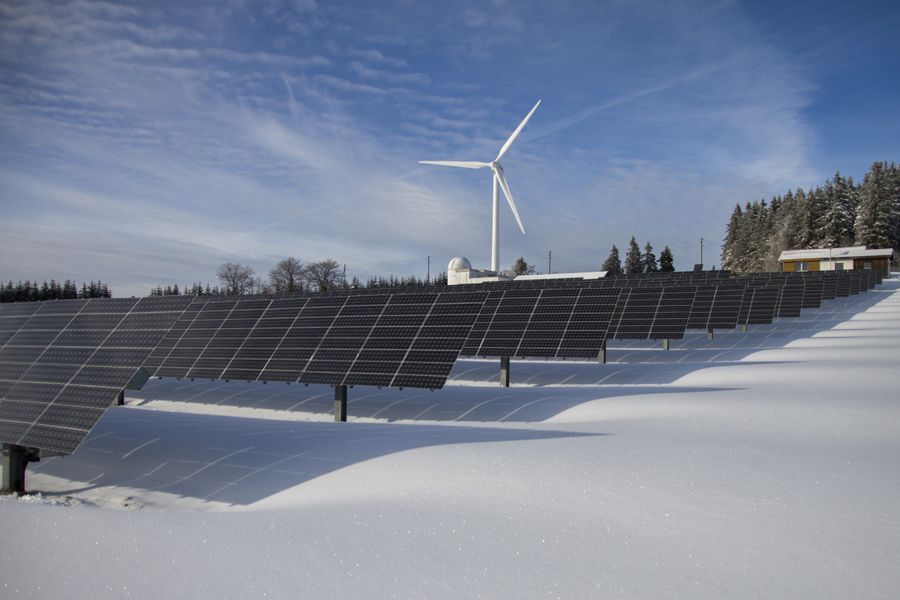
Buyers targeting European markets should pay particular attention, as the EU Carbon Border Adjustment Mechanism (CBAM) now requires carbon footprint reporting for imported goods. Partnering with green-certified Chinese factories can simplify compliance and reduce tariff exposure.
Supply Chain Resilience and Diversification
The pandemic era exposed vulnerabilities in over-concentrated supply chains. In 2026, Chinese manufacturers and the government have invested heavily in supply chain resilience:
| Resilience Strategy | Description | Buyer Benefit |
|---|---|---|
| Dual sourcing | Factories maintaining backup suppliers for critical components | Reduced disruption risk |
| Regional clusters | Government-supported industrial parks with integrated supply chains | Faster lead times |
| Digital traceability | Blockchain and IoT tracking from raw materials to finished goods | Better quality accountability |
| Inventory buffers | Factories offering bonded warehousing for strategic stockpiling | Shorter reorder cycles |
Digital Transformation in Sourcing and Procurement
Digital tools are transforming how buyers find, evaluate, and manage Chinese suppliers. Key developments include:
- AI-powered supplier matching platforms that analyze thousands of factory profiles
- Virtual factory audits using 360-degree video and live streaming
- Digital contract management with electronic signatures and blockchain verification
- Real-time production tracking dashboards provided by forward-thinking factories
For buyers, these tools reduce the cost and time of supplier verification while increasing transparency. Woosourcing offers comprehensive sourcing services that leverage these digital tools.
Nearshoring vs. China: The Real Cost Comparison
While nearshoring to Southeast Asia or Mexico has gained attention, China’s manufacturing ecosystem advantages remain compelling:
| Factor | China | Vietnam | Mexico |
|---|---|---|---|
| Component availability | Comprehensive ecosystem | Limited; imports from China | Moderate; USMCA supply chain |
| Skilled labor pool | Very large | Growing but limited | Moderate |
| Tooling capability | World-class | Basic to intermediate | Intermediate |
| Lead time (to US) | 25–35 days (sea) | 25–35 days (sea) | 3–7 days (truck) |
| Unit cost (composite) | Baseline | +5 to +15% | +15 to +25% |
For complex products requiring sophisticated tooling, China remains the most cost-effective option. For simpler assemblies, a China + 1 strategy may offer risk diversification benefits.
Practical Examples of Trend Adoption
Example 1: Electronics Manufacturer in Shenzhen
A mid-sized PCB assembly factory invested $2M in AI visual inspection systems in 2024. By 2026, defect rates dropped from 2.8% to 0.9%, and customer returns decreased by 60%. The factory now charges a 3% premium but wins contracts from buyers who prioritize quality.
Example 2: Furniture Factory in Foshan
A wooden furniture manufacturer installed solar panels and switched to water-based finishes. The factory achieved green certification, enabling it to supply a major European retailer that requires carbon footprint documentation. Order volume increased 40% year-over-year.
Example 3: Textile Mill in Zhejiang
A fabric producer deployed IoT sensors across 200 looms, enabling predictive maintenance. Unplanned downtime fell 35%, and on-time delivery improved from 82% to 94%. The factory now offers guaranteed delivery windows to buyers.
Common Mistakes Buyers Make
- Ignoring factory technology levels: Choosing the cheapest supplier without checking if they’ve invested in quality systems leads to higher defect rates and rework costs.
- Overlooking green compliance: Buyers serving EU or California markets must verify supplier environmental compliance to avoid regulatory penalties.
- Focusing only on unit price: A factory with automation may charge 5% more per unit but deliver 30% fewer defects, saving total landed cost.
- Not requesting production data: Forward-thinking factories can share real-time production dashboards—buyers who don’t ask miss visibility opportunities.
- Neglecting supply chain mapping: Failing to understand a factory’s sub-supplier network creates blind spots for disruption risk.
Expert Recommendations
- Prioritize factories with smart manufacturing investments. Ask potential suppliers about their IoT, AI inspection, and digital quality systems during initial vetting.
- Request carbon footprint data early. If you serve regulated markets, confirm supplier compliance with carbon disclosure requirements before placing orders.
- Use digital sourcing tools. Leverage virtual audits and AI supplier matching to screen more candidates in less time.
- Evaluate total cost of ownership. Compare suppliers on defect rates, lead time consistency, and communication quality—not just unit price.
- Develop a China + 1 strategy selectively. Diversify for risk management, but don’t abandon China’s ecosystem advantages for complex products.
- Partner with a sourcing agent. Professional sourcing services can identify trend-leading factories that independent buyers cannot easily find.
Checklist: How to Identify a Trend-Leading Chinese Factory
- ✅ Has IoT sensors or digital production monitoring
- ✅ Uses AI or automated quality inspection
- ✅ Holds green manufacturing certifications
- ✅ Offers real-time production tracking to buyers
- ✅ Maintains documented supplier traceability
- ✅ Invests in worker training and retention programs
- ✅ Has a clear sustainability roadmap
FAQ Section
1. What are the biggest China manufacturing trends in 2026?
The most significant trends are smart manufacturing (Industry 4.0), factory automation and robotics, green manufacturing mandates, supply chain resilience investments, and digital transformation in procurement. These trends are reshaping how Chinese factories operate and how global buyers should evaluate suppliers.
2. How is China’s smart manufacturing affecting product quality?
Smart factories using AI visual inspection, IoT monitoring, and predictive maintenance report defect reductions of 28–45% compared to traditional factories. This means buyers sourcing from smart factories experience fewer quality issues, lower return rates, and more consistent product specifications.
3. Are Chinese factories becoming more environmentally friendly?
Yes. Driven by China’s dual carbon goals and export market requirements like the EU CBAM, many Chinese factories are adopting solar energy, water-based processes, recycled materials, and energy-efficient equipment. Green factory certification programs are expanding, particularly in coastal export hubs.
4. Should I still source from China given nearshoring trends?
For complex products requiring advanced tooling, skilled labor, and integrated supply chains, China remains the most cost-effective and capable manufacturing base. Nearshoring makes sense for simpler products or when proximity to North American markets is critical. A China + 1 strategy offers balanced risk management.
5. How can I tell if a Chinese factory has adopted modern manufacturing technology?
Ask about their quality inspection methods (AI vs. manual), production monitoring systems (IoT vs. manual reporting), maintenance approach (predictive vs. reactive), and sustainability certifications. A factory audit—either in-person or virtual—can verify these claims. Woosourcing offers factory audit services to help buyers assess supplier capabilities.
6. Will automation in Chinese factories increase my product costs?
Automation may slightly increase unit prices (3–5%) at factories that have invested heavily, but it typically reduces total cost of ownership through lower defect rates, faster lead times, and more consistent quality. The net effect is often cost savings when rework, returns, and delays are factored in.
7. What is China’s robot density and how does it compare globally?
China’s robot density reached approximately 620 per 10,000 workers in 2026, up from 470 in 2023. This places China among the top 10 globally for robot density, ahead of the United States and approaching South Korea and Singapore levels in industrial hubs like Shenzhen and Suzhou.
Conclusion
China’s manufacturing sector in 2026 is defined by smart technology adoption, sustainability commitments, and supply chain resilience. For global buyers, these trends create both opportunities and imperatives. Factories investing in automation, AI quality systems, and green manufacturing deliver better products with fewer defects—and they are increasingly the partners worth securing.
The buyers who thrive will be those who look beyond unit price and evaluate suppliers on technology adoption, quality systems, and sustainability readiness. By aligning your sourcing strategy with these manufacturing trends, you can build a more resilient, cost-effective, and future-proof supply chain.
Need Help Sourcing Products from China?
Request a free sourcing consultation with Woosourcing.
Our team can help you with:
- Product sourcing
- Supplier verification
- Factory audits
- Quality inspections
- Private label manufacturing
- International shipping
Contact us today for a free quotation.

Recent Comments