
Quick Answer: Shipping from China to the USA falls into three main methods: sea freight (cheapest, 18-35 days door-to-door, $80-$150 per CBM for LCL), air freight (7-12 days, $4-$9 per kg), and express courier (3-7 days, $6-$15 per kg). Sea freight dominates for orders above 1 CBM. Air freight wins for urgent or high-value shipments. Express is the default for samples and small packages.
Table of Contents
- 3 Main Shipping Methods from China to the USA
- Sea Freight: FCL vs LCL
- Air Freight for Time-Sensitive Cargo
- Express Shipping (DHL, FedEx, UPS)
- 2026 Transit Time Comparison
- 2026 Cost Comparison by Method
- How to Choose the Right Method
- Customs Clearance and Import Duty
- 6 Common Shipping Mistakes to Avoid
- Frequently Asked Questions
- Conclusion
3 Main Shipping Methods from China to the USA
Importing from China to the United States means choosing one of three shipping methods. Each has its own cost structure, transit time, and ideal use case.
1. Sea Freight (Ocean)
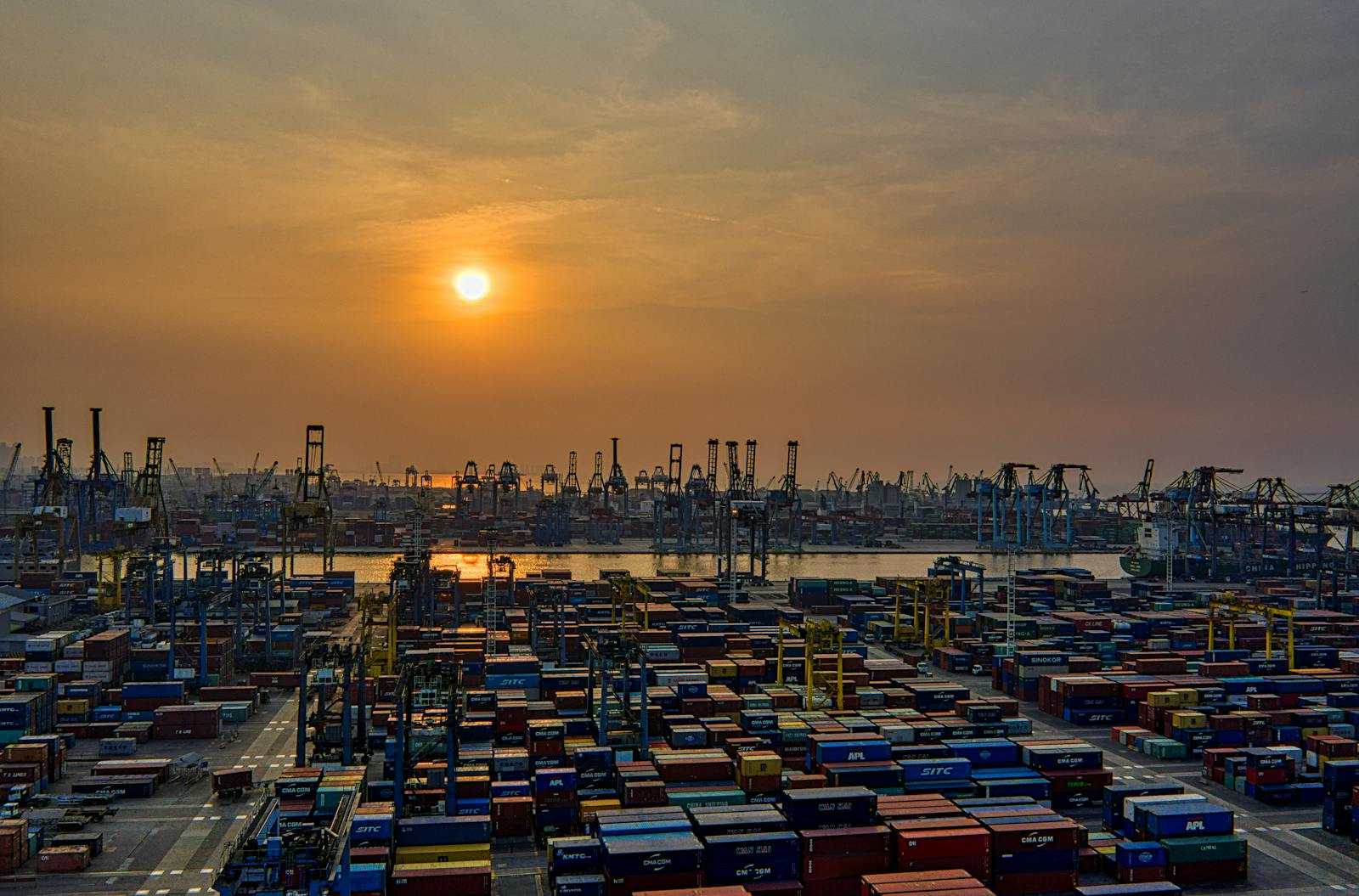
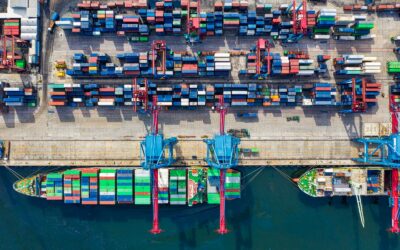
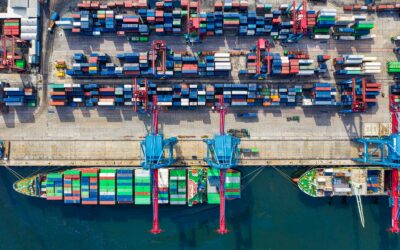
Sea freight is the workhorse of international trade. It is by far the cheapest method per kilogram, but the slowest, with typical door-to-door transit times of 18-35 days. Sea freight comes in two main forms: FCL (Full Container Load) and LCL (Less than Container Load).
2. Air Freight
Air freight is the middle ground: 5-10x more expensive than sea freight, but 3-4x faster, with typical door-to-door times of 7-12 days. It is best for high-value, time-sensitive, or perishable goods where the speed premium is justified.
3. Express Shipping
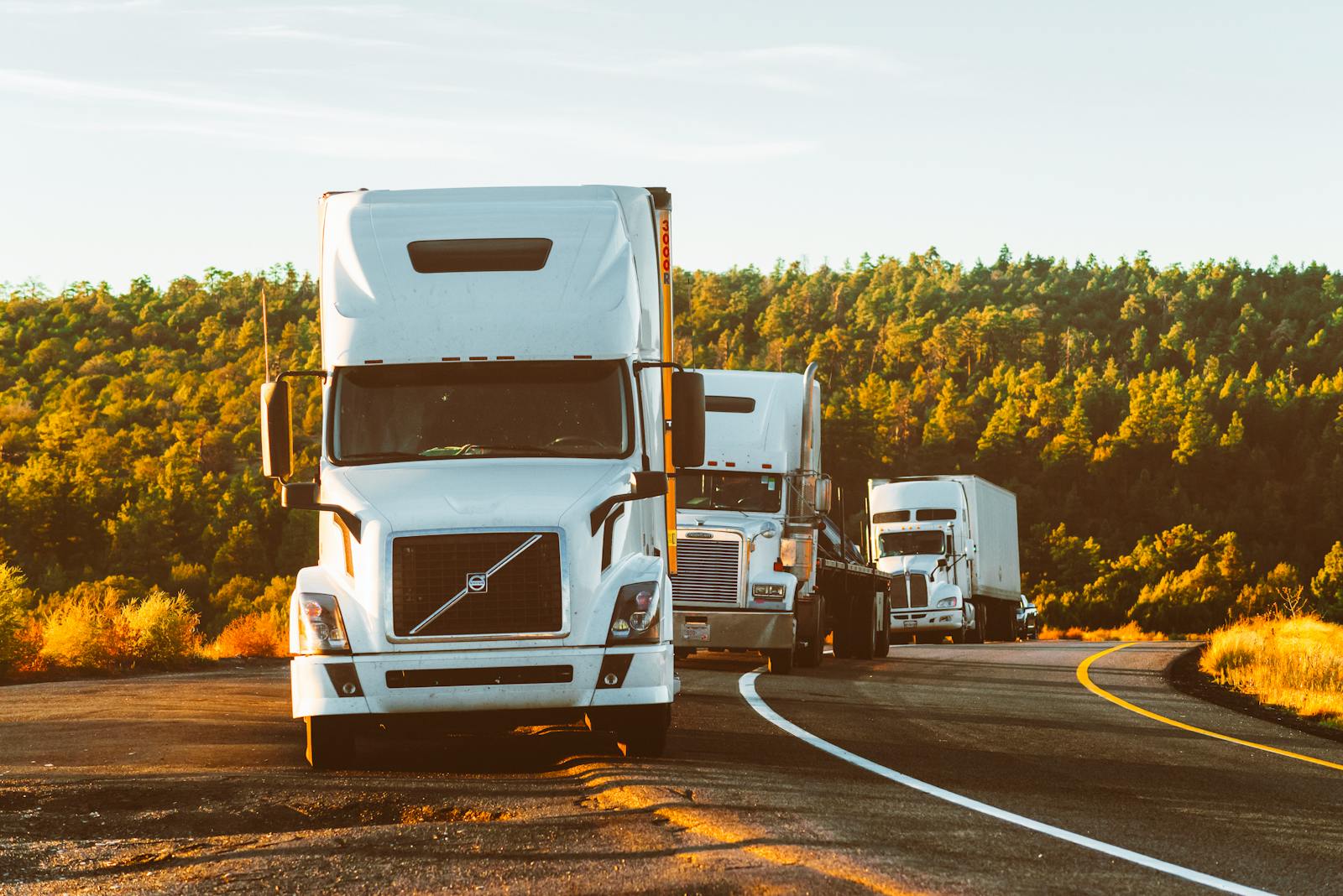
Express couriers (DHL, FedEx, UPS, and China Post EMS) are the fastest option for small packages, with typical door-to-door times of 3-7 days. Express is the default for samples, low-volume e-commerce, and replacement parts.
Sea Freight: FCL vs LCL
Sea freight is the most complex of the three methods because it has two service levels.
| Option | Best For | Volume | Cost (2026 est.) | Transit Time |
|---|---|---|---|---|
| LCL (Less than Container Load) | 1-15 CBM orders | Shared container | $80-$150 per CBM + fees | 25-40 days |
| FCL 20ft | 15-28 CBM orders | ~28 CBM / 20,000 kg | $1,800-$3,500 port-to-port | 18-30 days |
| FCL 40ft | 28+ CBM orders | ~58 CBM / 26,000 kg | $3,200-$5,500 port-to-port | 18-30 days |
| FCL 40ft HC | Light, bulky cargo | ~68 CBM / 26,000 kg | $3,400-$5,800 port-to-port | 18-30 days |
LCL charges by the cubic meter (CBM) and the shipment is consolidated with other importers’ cargo. LCL works for small first-time orders but has higher per-unit fees, more handling (more damage risk), and longer transit due to consolidation and deconsolidation at the destination warehouse.
FCL is a dedicated container for your cargo alone. Once the volume justifies it, FCL is cheaper, faster, and safer. The break-even point is usually around 15 CBM. Above that, FCL wins on cost. Below it, LCL is the only practical option.

Air Freight for Time-Sensitive Cargo
Air freight from China to the USA typically arrives in 7-12 days door-to-door, including pickup, export clearance, line haul, and final delivery.
| Air Service | Best For | Price (2026 est.) | Transit Time |
|---|---|---|---|
| Standard Air Freight | 100-1,000 kg | $4-$7 per kg | 7-12 days |
| Express Air Freight | 1-100 kg urgent | $6-$9 per kg | 5-8 days |
| Charter Air | 5+ tons urgent | Custom quote | 3-6 days |
Airlines charge by chargeable weight, which is the greater of actual weight and volumetric weight (length x width x height in cm / 6000). For dense products like metal parts, air freight is more affordable. For light, bulky products like pillows or empty bottles, sea freight is usually cheaper even for small volumes.
Air freight is right for restocking hot-sellers to avoid stockouts, shipping high-value electronics where insurance and speed matter, fresh or perishable goods, and last-minute samples for trade shows.
Express Shipping (DHL, FedEx, UPS)
Express couriers offer the simplest experience: the courier picks up at the supplier, ships to your door, and handles customs clearance. The cost is higher, but operational overhead is near zero, which makes express the right call for many small importers.
| Courier | Best For | Price (2026 est.) | Transit Time |
|---|---|---|---|
| DHL | Documents, 1-70 kg | $8-$14 per kg | 3-6 days |
| FedEx International Priority | High-value, 1-70 kg | $9-$15 per kg | 3-5 days |
| UPS Worldwide Saver | Commercial, 1-70 kg | $9-$14 per kg | 3-6 days |
| China Post EMS | Cheap small parcels | $6-$10 per kg | 7-15 days |
Express is the default for samples, replacement parts, and small e-commerce orders under 100 kg. Most shipments under $800 enter the U.S. duty-free under the de minimis rule.
2026 Transit Time Comparison
| Method | Origin Port | USA Destination | Door-to-Door Time |
|---|---|---|---|
| LCL Sea | Shenzhen, Ningbo, Shanghai | LA, NY, Long Beach | 28-40 days |
| FCL Sea | Shenzhen, Ningbo, Shanghai | LA, NY, Long Beach | 22-32 days |
| Standard Air | Guangzhou, Shanghai, Shenzhen | LAX, JFK, ORD | 7-12 days |
| Express | Any pickup | Any US address | 3-7 days |
Practical Tip: West Coast ports (LA, Long Beach, Oakland) are 3-5 days faster from China than East Coast ports. For shipments bound to the Midwest or East Coast, an all-water route via the Panama Canal adds 7-10 days. Transshipment through LA with rail or truck to the final destination is often faster and cheaper.
2026 Cost Comparison by Method
The following example compares the three methods for a 500 kg shipment of finished goods (about 3 CBM, volumetric weight similar to actual) from Shenzhen to a Los Angeles warehouse.
| Method | Shipping Cost | Customs & Duty | Last-Mile | Total Landed Freight |
|---|---|---|---|---|
| LCL Sea (3 CBM) | $300 | $250 | $200 | $750 |
| Standard Air (500 kg) | $2,500 | $250 | $150 | $2,900 |
| DHL Express (500 kg) | $5,500 | $0 (de minimis) | $0 | $5,500 |
For this shipment, sea freight is 4x cheaper than air and 7x cheaper than express. The trade-off is 25 extra days of transit time.
How to Choose the Right Method
Use the following decision framework to pick the right shipping method:
- Volume under 0.5 CBM or 100 kg? Use express. Sea freight is not practical, and air freight is rarely cheaper than express.
- Volume 0.5-15 CBM? Use LCL sea freight unless the order is genuinely urgent. A China freight forwarder can quote all three methods side by side.
- Volume 15-28 CBM? Compare LCL and FCL 20ft. FCL is usually faster and safer at this volume.
- Volume 28+ CBM? Use FCL 40ft. Sea freight is the default for any volume this large.
- Time-sensitive high-value product? Air freight, even for small volumes, when stockout cost exceeds the freight premium.
Customs Clearance and Import Duty
Every shipment from China to the USA must clear U.S. Customs and Border Protection. The process requires:
- A commercial invoice from the supplier
- A packing list with quantity, weight, and dimensions
- An HS code for the product
- A customs broker to file the entry
- Payment of any applicable duty and MPF (Merchandise Processing Fee)
For shipments under $800 in declared value, the U.S. de minimis exemption (Section 321) waives duty and simplifies the entry. Most express and small-parcel shipments qualify. Once a shipment exceeds $800, full customs entry and duty apply.
The duty rate depends on the HS code and country of origin. Most consumer goods from China face duty rates between 0% and 32%, with a typical range of 2.5%-7%. The U.S. International Trade Commission maintains the Harmonized Tariff Schedule as the authoritative reference.
6 Common Shipping Mistakes to Avoid
- Choosing the cheapest forwarder without checking reviews. Lost shipments and surprise fees are common with cut-rate forwarders.
- Forgetting Amazon FBA receiving prep. FBA requires box labels, poly bagging, and palletization. Confirm prep is done at origin, not at the destination.
- Under-insuring cargo. Cargo insurance is 0.3%-0.5% of cargo value. Skipping it is gambling with the entire shipment.
- No Incoterm clarity. FOB, EXW, and DDP change who pays for what. Confirm in writing before shipping.
- Ignoring peak season surcharges. August-October LCL rates and port congestion can double transit time and add 20-40% to cost.
- No contingency plan. A single lost or damaged shipment can wipe out the margin on a small order. Build in 10-15% buffer.
Frequently Asked Questions
How long does shipping from China to the USA take?
Sea freight takes 22-40 days door-to-door, air freight takes 7-12 days, and express takes 3-7 days. Add 3-5 extra days during peak season (August-October) for sea freight.
What is the cheapest way to ship from China to the USA?
Sea freight is the cheapest method for any shipment above 1 CBM. For shipments under 0.5 CBM, China Post ePacket or EMS is usually the cheapest option.
How much does it cost to ship a 20ft container from China to the USA?
A 20ft FCL port-to-port from Shenzhen to Los Angeles costs $1,800-$3,500. Door-to-door with customs and last-mile runs $3,500-$6,000 depending on the destination and product.
Should I use FCL or LCL for my first order?
Under 15 CBM, LCL is the right choice. Once orders consistently exceed 15 CBM, switch to FCL 20ft for better cost, faster transit, and lower damage risk.
Is air freight worth it for small orders?
Only when stockout cost exceeds the freight premium, or for high-value items where insurance and speed matter. For most small orders, express courier is simpler.
What is the de minimis rule for U.S. imports?
The U.S. de minimis exemption (Section 321) allows imports under $800 in declared value to enter duty-free with a simplified manifest filing instead of a formal customs entry. Most express shipments qualify.
How to find a reliable freight forwarder in China?
Look for a U.S. customs bond, a U.S. warehouse or partner, transparent pricing, and verifiable reviews. Established names include Flexport, Freightos, and regional specialists.
Conclusion
Choosing the right shipping method from China to the USA is a balancing act between cost, speed, and reliability. Sea freight is the default for volume above 1 CBM. Air freight is the right call for time-sensitive or high-value cargo. Express is the default for samples and small parcels. The biggest mistake new importers make is to optimize for one method, when the real win comes from using all three appropriately as the business scales.
The right path for most first-time importers is to start with a small LCL sea shipment to validate the product and supplier, then graduate to FCL or air.
Need Help Shipping Products from China to the USA?
Woosourcing coordinates door-to-door shipping from China to the USA, including supplier pickup, export documentation, freight booking, customs clearance, and last-mile delivery. We can quote sea, air, and express in one comparison.
Request a free sourcing consultation with Woosourcing. Our team can help you with:
- Product sourcing
- Supplier verification
- Factory audits
- Quality inspections
- Private label manufacturing
- International shipping
Contact us today for a free quotation.



Recent Comments