
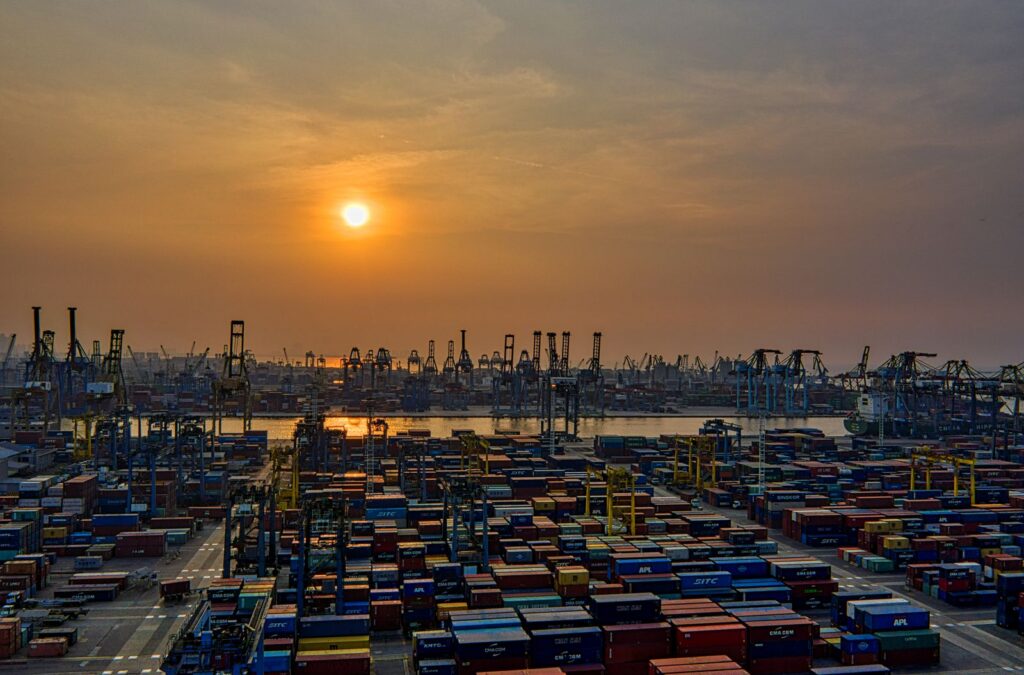
Guangzhou Sourcing Agent vs Shenzhen Sourcing Agent: Which Region for What Product
Direct answer: Choose a Shenzhen sourcing agent for electronics, hardware, and rapid prototyping in a high-tech supply chain, and a Guangzhou sourcing agent for apparel, textiles, consumer goods, and wholesale-market buying near major trade shows. The right choice depends on what you are sourcing, not on which city sounds more impressive.
Guangzhou and Shenzhen sit just ninety minutes apart in the Pearl River Delta, yet they serve very different sourcing needs. Shenzhen grew from a fishing village into the world’s hardware capital, home to the makers of circuit boards, drones, and smart devices. Guangzhou grew as a trading city, built around wholesale markets, garments, and the hundred-year-old Canton Fair. This guide compares the two through the lens of a sourcing agent in each city, so you can match the region to your product.
Table of Contents
- Verdict: Which Region Wins?
- Guangzhou vs Shenzhen: The Two Supply Chains
- How Agents Differ by Region
- Head-to-Head Comparison Table
- How to Decide for Your Product
- Examples of Regional Sourcing Choices
- Common Mistakes in Choosing a City
- Recommendations for Each Product Type
- Frequently Asked Questions
- Conclusion
- Find the Right Agent With Woosourcing
Verdict: Which Region Wins?
Neither city is objectively better — they are specialized. If your product runs on electricity, chips, or software, Shenzhen is your region. If it is made of fabric, leather, or is a consumer good sold through wholesale channels, Guangzhou is your region. The right local agent in the right city saves you time and money; the wrong city costs you both.
The smartest sourcing companies use both. They prototype electronics in Shenzhen, source packaging or accessories in Guangzhou, and consolidate everything before export. Understanding each city’s strengths lets you build the best supply chain instead of forcing one city to do a job it was not built for.
Guangzhou vs Shenzhen: The Two Supply Chains
Shenzhen is the technology capital. Around its Huaqiangbei district, component markets sell every chip, connector, and display on earth, and the surrounding factories move from idea to physical prototype in days. For startups and hardware brands, Shenzhen offers unbeatable speed — but it is a harder place to buy finished consumer goods made of textiles or metal at wholesale prices.
Guangzhou is the trading and wholesale capital. Its garment markets, home goods malls, and fashion accessory districts are built for volume trading, and its proximity to the open Canton Fair draws export buyers year-round. For apparel and general merchandise, Guangzhou’s wholesale ecosystem is unmatched. Both cities do their work inside the wider rules of international trade, which the World Trade Organization explains in plain terms in its overview of what the WTO does.
The two business environments differ across several dimensions, summarized below:
| Dimension | Shenzhen | Guangzhou |
|---|---|---|
| Primary identity | Hardware and technology hub | Trading and wholesale hub |
| Typical order model | Custom OEM, prototyping, components | Volume wholesale and MOQ orders |
| Strength on cost | Efficient at electronics volume | Efficient at consumer goods volume |
| Key event | Local hi-tech and electronics fairs | Canton Fair, twice a year |

How Agents Differ by Region
A Shenzhen sourcing agent lives inside a hardware ecosystem. They have direct relationships with component distributors, PCB factories, and contract electronics manufacturers, so they can source a custom PCB, negotiate firmware licensing, and arrange small-batch prototyping. Their expertise is engineering-led and fast-paced.
A Guangzhou sourcing agent lives inside a trading ecosystem. They know the wholesale malls, the fabric districts, and the export fairs, and their strength is buying finished consumer goods in volume, negotiating good unit prices, and consolidating many small orders into one efficient shipment. Their expertise is commerce-led and built on long-standing supplier relationships.
Head-to-Head Comparison Table
The table below distills the practical differences between a Guangzhou and a Shenzhen sourcing agent so you can see at a glance which fits your product.
| Criterion | Shenzhen Sourcing Agent | Guangzhou Sourcing Agent |
|---|---|---|
| Best product categories | Electronics, hardware, drones, smart devices | Apparel, textiles, home goods, consumer goods, accessories |
| Procurement model | Component sourcing, prototyping, custom electronics | Wholesale buying, volume negotiation, market sourcing |
| Speed to prototype | Excellent — days for a working sample | Moderate — focused on finished goods |
| Wholesale markets | Fewer; Huaqiangbei for components | Extensive; garment, fabric, and accessory districts |
| Trade shows | Local electronics fairs | Canton Fair twice a year |
| Typical buyer | Hardware startups, tech importer | Shop owners, fashion brands, general importers |
| Consolidation | Possible but less core | Core strength for multi-supplier orders |
Shared Strengths
Both regions share access to the wider Pearl River Delta factory network, both have excellent ports and logistics, and both have many experienced, English-capable agents. That shared foundation is why many buyers treat the two cities as two halves of one supply chain.
How to Decide for Your Product
Match your product to the region’s strengths. If it contains a circuit board, battery, touchscreen, or software, choose Shenzhen, where the component supply chain is densest. If it is clothing, luggage, home decor, personal care, or general merchandise, choose Guangzhou, where wholesale volume and variety give you the edge.
For a quick reference, the table below maps common product types to the stronger region:
| Product Type | Dominant Region | Why |
|---|---|---|
| Consumer electronics and hardware | Shenzhen | Component markets and fast PCB fabs |
| Apparel and textiles | Guangzhou | Garment districts and volume wholesale |
| Fashion accessories and bags | Guangzhou | Ziyuan Road and Liuhua markets |
| Drones and smart devices | Shenzhen | Drone makers and IoT ecosystem |
| Home goods and kitchenware | Guangzhou | Nearby Foshan and Shunde factories |
| Prototyping and new hardware | Shenzhen | Speed to working sample in days |
For mixed orders — for example, a tech gadget sold with a fabric case — split the difference. Prototype the electronics in Shenzhen and source the packaging and textiles in Guangzhou, then consolidate the final shipment. This combined approach is increasingly common and often the most cost-effective.
Examples of Regional Sourcing Choices
Example 1 — Hardware startup. A startup building a smart home sensor chose a Shenzhen sourcing agent because they needed custom PCBs, fast prototypes, and certification support within weeks. The agent raced the design from schematic to working sample in ten days and found a contract manufacturer for the first production run, something a Guangzhou agent would have found far harder.
Example 2 — Fashion retailer. A boutique retailer sourcing dresses, scarves, and bags chose a Guangzhou sourcing agent. Walking the city’s garment and accessory districts, the agent shortlisted suppliers, negotiated wholesale rates, and consolidated the whole collection into one container, cutting shipping cost per item dramatically.
Example 3 — General importer. An importer placing a mixed order of electronics and housewares used an agent in each city. Shenzhen handled the chargers and cables, Guangzhou handled the kitchen tools, and a single consolidation point combined both for export. This hybrid cut total landed cost compared to sourcing everything from one city.
Common Mistakes in Choosing a City
- Assuming Shenzhen is better for everything just because it is more famous for technology, then overpaying for consumer goods there.
- Choosing Guangzhou for a highly custom electronic device, then struggling with slow prototyping and limited component depth.
- Splitting orders across both cities without a consolidation plan and paying higher freight as a result.
- Ignoring shipping distance to the port and underestimating inland logistics costs.
- Trusting an agent who claims expertise in both electronics and apparel, when few are truly strong at both.
- Neglecting to compare minimum order quantities, which differ sharply between market wholesale and factory production.
- Basing the decision on city name or a single recommendation instead of an actual match to the product and order type.
Recommendations for Each Product Type
- Electronics, PCB, or smart hardware — use a Shenzhen sourcing agent for prototyping and component depth.
- Apparel, textiles, or fashion accessories — use a Guangzhou sourcing agent for wholesale markets and volume.
- Home goods and general consumer merchandise — use a Guangzhou agent, where wholesale variety is strongest.
- Mixed orders across both categories — use agents in each city and consolidate before export.
- First-time buyers — start with one city and one product to build a manageable process.
- Repeat scaling — keep both cities in your network and choose per order, not per brand identity.
Frequently Asked Questions
Is Shenzhen or Guangzhou better for electronics?
Shenzhen is better for hardware, components, and rapid prototyping. Its Huaqiangbei district and contract manufacturers give it unmatched speed and depth for anything electronic.
Is Shenzhen or Guangzhou better for clothing?
Guangzhou is better for clothing and textiles. Its garment and fabric wholesale districts, combined with the Canton Fair, make it the trading center for apparel.
How far apart are Guangzhou and Shenzhen?
The two cities are roughly 130 kilometers apart, about a ninety-minute drive or a short high-speed rail ride, so buyers can easily visit both in one trip.
Can one agent handle both regions?
Many agents operate across the Pearl River Delta, but expertise usually concentrates in one region. A proven agent in each city is safer for complex or mixed sourcing.
Which region has cheaper manufacturing?
For consumer and textile goods, Guangzhou-area wholesale pricing is often lower. For custom electronics, Shenzhen’s volume makes components and assembly highly competitive. Costs depend on product and order size.
Do I need separate agents for a mixed order?
You can use one coordinator to manage both regions, but for best results let a specialist in each city do the sourcing, then consolidate with a single logistics partner.
Which city has better access to trade shows?
Guangzhou hosts the Canton Fair, the largest export trade fair in China, held twice a year. Shenzhen hosts major electronics fairs such as the China International Hi-Tech Fair.
Conclusion
Guangzhou and Shenzhen are complementary, not competing, sourcing destinations. Shenzhen owns electronics, hardware, and fast prototyping; Guangzhou owns apparel, textiles, and wholesale consumer goods. A sourcing agent in the right region amplifies its strongest supply chain and saves you from the cost of the wrong one.
For growing businesses, the winning strategy is to understand both ecosystems and build relationships in each. Match the city to the product, consolidate shipments intelligently, and let local professionals protect your quality and margin at every step.
Find the Right Agent With Woosourcing
Woosourcing is a China-based sourcing company that helps buyers work with the right factories and agents across both Guangzhou and Shenzhen. We match your product to the region that fits, negotiate pricing, manage quality control, and consolidate shipments so you get the best of both supply chains.
- Electronics sourcing in Shenzhen, including prototyping and components
- Apparel and consumer goods sourcing in Guangzhou wholesale markets
- Factory verification and quality inspection in both regions
- Consolidation and shipping across the Pearl River Delta
- Guidance on trading companies versus direct factories
Contact us today for a free consultation to choose the right sourcing region, or read our guide to our product sourcing service.

Recent Comments