

Last updated on July 16th, 2026 at 02:35 am
China vs Vietnam Manufacturing: Which Is Better for Sourcing in 2026?
As global supply chains face ongoing disruptions and tariff uncertainties, businesses worldwide are reevaluating their manufacturing strategies. The China vs Vietnam manufacturing debate has become one of the most critical decisions for importers, Amazon sellers, and DTC brands. China remains the world’s manufacturing powerhouse, but Vietnam has emerged as a compelling alternative for companies seeking diversification and cost advantages.
This comprehensive comparison breaks down every factor you need to consider when choosing between manufacturing in China and Vietnam in 2026.
Table of Contents
- Manufacturing Infrastructure Comparison
- Labor Costs and Workforce Analysis
- Production Capabilities and Industry Specialization
- Minimum Order Quantities (MOQs)
- Lead Times and Shipping
- Quality Standards and Compliance
- Tariffs and Trade Agreements
- Pros and Cons Comparison
- Expert Recommendations
- FAQ Section
Manufacturing Infrastructure Comparison
China’s manufacturing infrastructure is unmatched in scale and maturity. Decades of investment have created industrial clusters where entire supply chains—from raw materials to final assembly—exist within a single region. Vietnam’s infrastructure, while rapidly improving, is still developing and lacks the same depth of integrated supply chains.
| Factor | China | Vietnam |
| Industrial Parks | 2,500+ national-level zones | 400+ industrial parks |
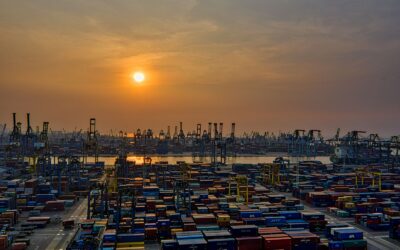
| Port Infrastructure | World’s largest container ports (Shanghai, Shenzhen, Ningbo) | Growing ports (Cat Lai, Hai Phong, Cai Mep) |
| Supplier Network Depth | Complete vertical integration | Partial; many raw materials imported from China |
| Power Reliability | High, with occasional regional restrictions | Improving; occasional shortages in summer |
| Road/Logistics Network | Extensive highway and rail network | Developing; congestion in major cities |

Labor Costs and Workforce Analysis
Labor cost is often the primary driver behind the shift to Vietnam. While China’s manufacturing wages have risen significantly, Vietnam offers substantially lower labor costs—though the gap is narrowing.
| Metric | China | Vietnam |
| Average Factory Wage (monthly) | $650–$1,100 USD | $300–$500 USD |
| Workforce Size | ~800 million | ~57 million |
| Skill Level | Highly skilled across industries | Strong in textiles, electronics assembly |
| Labor Productivity | High (experience + automation) | Moderate; improving rapidly |
| Turnover Rate | Moderate (10–20%) | Higher (15–30% in peak seasons) |
Key Insight: Vietnam’s labor cost advantage is approximately 40–55% lower than China’s, but China’s higher productivity often offsets this gap for complex or precision manufacturing.
Production Capabilities and Industry Specialization
China manufactures virtually every product category at scale. Vietnam excels in specific sectors but lacks China’s breadth. Understanding each country’s strengths is essential for making the right sourcing decision.
China’s Manufacturing Strengths
- Electronics and consumer tech (Shenzhen cluster)
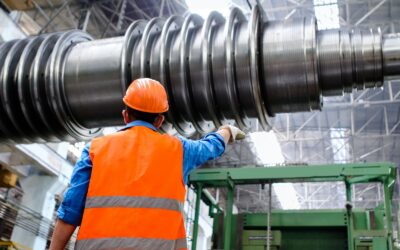
- Machinery and industrial equipment
- Automotive parts and EV components
- Furniture and home goods
- Plastics and injection molding
- Apparel and textiles (full supply chain)
- Metal fabrication and hardware
Vietnam’s Manufacturing Strengths
- Textiles and garments (2nd largest exporter globally)
- Footwear and leather goods
- Electronics assembly (Samsung, Intel, LG presence)
- Furniture (wooden furniture exports growing)
- Handicrafts and home decor
For complex products requiring precision engineering, multi-material integration, or advanced tooling, China remains the stronger choice. Vietnam is ideal for labor-intensive products like apparel, footwear, and simple electronics assembly.

Minimum Order Quantities (MOQs)
MOQs differ significantly between the two countries and affect businesses of all sizes, especially startups and small brands.
| Product Type | China MOQ | Vietnam MOQ |
| Apparel/Garments | 500–1,000 pcs | 500–1,000 pcs |
| Electronics | 100–1,000 pcs | 1,000–5,000 pcs |
| Furniture | 50–200 pcs | 100–300 pcs |
| Custom Packaging | 1,000–5,000 pcs | 5,000–10,000 pcs |
China generally offers more flexible MOQs due to the sheer number of factories competing for business. Vietnam’s MOQs tend to be higher for non-textile products because fewer factories can accommodate small orders efficiently.
Lead Times and Shipping
Lead times encompass production time and shipping time. China’s mature logistics infrastructure generally provides faster end-to-end delivery.
- China production lead time: 15–45 days (product-dependent)
- Vietnam production lead time: 25–60 days
- China to US (sea freight): 14–30 days
- Vietnam to US (sea freight): 18–35 days
China’s advantage in lead times comes from its integrated supply chains—raw materials, components, and assembly are often co-located. Vietnam imports many raw materials from China, adding 7–14 days to production timelines.
Quality Standards and Compliance
Both countries can produce high-quality goods, but quality management systems differ. China has a more established quality control ecosystem with third-party inspection agencies, ISO-certified factories, and mature testing laboratories.
Vietnam’s quality control infrastructure is improving, but fewer factories hold international certifications. For products requiring strict compliance (FDA, CE, UL), China’s established certification pathways may be preferable. However, Vietnamese factories in export zones increasingly meet international standards, particularly in textiles and electronics.
Regardless of country, always conduct third-party quality inspections before shipment.
Tariffs and Trade Agreements
Tariffs have been a major catalyst for the China-plus-one strategy. The US Section 301 tariffs on Chinese goods (25% on many product categories) have made Vietnam attractive for tariff-sensitive products.
| Trade Factor | China | Vietnam |
| US Section 301 Tariffs | 25% on many categories | Not applicable |
| Free Trade Agreements | RCEP, limited bilateral US FTA | CPTPP, EVFTA, RCEP, UKVFTA |
| EU Trade Preferences | Standard WTO rates | EVFTA eliminates 99% of tariffs over 10 years |
| Country-of-Origin Risk | High geopolitical risk | Lower geopolitical risk |
Vietnam’s participation in the CPTPP and EVFTA gives it significant tariff advantages for exports to the EU and CPTPP member countries. For US-bound goods, Vietnam avoids Section 301 tariffs but may face transshipment scrutiny if Chinese-origin goods are rerouted through Vietnam. The U.S. International Trade Administration provides detailed guidance on country-of-origin compliance.

Pros and Cons Comparison
China Manufacturing — Pros
- Unmatched production scale and variety
- Complete supply chain integration
- Lower MOQs and greater flexibility
- Faster lead times
- Advanced manufacturing technology and automation
- Mature quality control ecosystem
China Manufacturing — Cons
- Rising labor costs
- US Section 301 tariffs (25%)
- Geopolitical and trade tensions
- Increasing IP enforcement concerns
Vietnam Manufacturing — Pros
- 40–55% lower labor costs
- No Section 301 tariffs
- Preferential trade agreements (CPTPP, EVFTA)
- Lower geopolitical risk
- Strong in textiles, footwear, electronics assembly
Vietnam Manufacturing — Cons
- Limited product range vs China
- Higher MOQs for non-textile products
- Longer lead times
- Raw material dependence on China
- Fewer certified factories
- Developing logistics infrastructure
Common Mistakes When Switching to Vietnam
- Assuming identical quality: Vietnamese factories may not match Chinese quality standards without explicit specifications and training.
- Ignoring raw material sourcing: Many Vietnamese factories import materials from China, so cost savings may be less than expected.
- Underestimating lead times: Vietnam’s longer production cycles can disrupt just-in-time inventory models.
- Skip factory audits: Always conduct factory audits before committing to a Vietnamese supplier.
- Neglecting IP protection: Vietnam’s IP framework is less developed—register trademarks and use NDAs.
Expert Recommendations
Based on our experience helping hundreds of brands source from both countries, here is our decision framework:
| If Your Product Is… | Recommended Country | Why |
| Apparel, footwear, textiles | Vietnam | Lower labor costs, strong expertise, tariff advantages |
| Electronics (complex) | China | Component supply chain, skilled engineering |
| Simple electronics assembly | Vietnam | Cost savings, established assembly operations |
| Custom/multi-material products | China | Integrated supply chain, lower MOQs |
| Furniture (wooden) | Vietnam | Competitive pricing, growing expertise |
| Precision machined parts | China | Advanced tooling and machining capabilities |
| Products with US tariff exposure | Vietnam | Avoids 25% Section 301 tariffs |
Summary Box: The optimal strategy for many businesses is a “China-plus-one” approach—maintain primary production in China while developing a secondary supply line in Vietnam for tariff-sensitive or labor-intensive products. This diversification reduces risk and optimizes costs.
FAQ Section
1. Is Vietnam cheaper than China for manufacturing?
Yes, Vietnam’s labor costs are 40–55% lower than China’s. However, total landed cost depends on raw material sourcing, MOQs, shipping, and tariffs. For labor-intensive products like apparel and footwear, Vietnam typically offers 15–25% overall cost savings. For complex products requiring imported components, savings may be minimal.
2. Can Vietnam replace China as a manufacturing base?
Not entirely. Vietnam’s workforce is approximately 7% of China’s, and its supply chain depth is still developing. Vietnam can complement China for specific product categories but cannot match China’s scale, product variety, or integrated supply chains. A diversification strategy using both countries is most effective.
3. What products are best manufactured in Vietnam?
Vietnam excels in textiles and garments, footwear and leather goods, furniture, handicrafts, and electronics assembly. Products that are labor-intensive and require moderate technical complexity are ideal for Vietnamese manufacturing.
4. How do US tariffs affect the China vs Vietnam decision?
US Section 301 tariffs impose 25% duties on many Chinese imports. Products manufactured in Vietnam are not subject to these tariffs. However, goods must undergo substantial transformation in Vietnam to qualify for Vietnamese country-of-origin status. Simply transshipping Chinese goods through Vietnam violates trade laws.
5. Are Vietnamese factories reliable for quality?
Yes, when properly vetted. Many Vietnamese factories in export processing zones meet international quality standards, particularly in textiles and electronics. However, fewer factories hold ISO certifications compared to China. Always conduct factory audits, implement quality control inspections, and provide detailed product specifications.
6. How long does shipping take from Vietnam compared to China?
Sea freight from China to the US takes 14–30 days, while Vietnam to the US takes 18–35 days. Vietnam’s additional transit time comes from fewer direct shipping routes and transshipment through Singapore or Hong Kong. Air freight is available from both countries with similar transit times of 3–7 days.
7. Should I use a sourcing agent for Vietnam manufacturing?
Yes, especially for first-time sourcing from Vietnam. A sourcing agent familiar with the Vietnamese market can help identify verified factories, negotiate pricing, manage quality control, and navigate language and cultural barriers. Woosourcing provides comprehensive sourcing services for both China and Vietnam.
Conclusion
The China vs Vietnam manufacturing decision is not binary. Each country offers distinct advantages depending on your product type, order volumes, target markets, and risk tolerance. China remains the unrivaled leader in production scale, supply chain integration, and product variety. Vietnam offers compelling cost advantages and tariff benefits for specific product categories.
For most businesses, the smartest approach is to leverage both countries strategically—use China for complex, multi-component products and Vietnam for labor-intensive, tariff-sensitive goods. This diversified strategy minimizes risk while optimizing cost and quality.
Need Help Sourcing Products from China?
Request a free sourcing consultation with Woosourcing.
Our team can help you with:
- Product sourcing
- Supplier verification
- Factory audits
- Quality inspections
- Private label manufacturing
- International shipping




Recent Comments