
Last updated on July 22nd, 2026 at 02:24 am
Sourcing from China is often discussed in theory—but the most convincing proof is a real result. This China sourcing case study walks through how a mid-sized US home-and-kitchen brand reduced its total landed cost by 34% in a single 12-month sourcing cycle, while improving product quality and shortening lead times. It is a composite of a typical engagement and shows the exact levers that move the numbers.
Direct answer: A US importer cut landed cost 34% by consolidating from 11 scattered suppliers to 4 vetted factories, adding pre-shipment quality control, switching from LCL to consolidated FCL ocean freight, and moving to private label packaging sourced alongside the product. The combined savings came from lower unit price, fewer defects, and roughly 28% lower logistics cost per unit.
Table of Contents
- The Client and Their Starting Point
- The Challenge
- The Sourcing Strategy We Applied
- Practical Example: The Cost Math
- Common Mistakes They Almost Made
- Expert Recommendations
- Results at a Glance
- FAQ Section
- Conclusion
The Client and Their Starting Point
“NorthBridge Home” is a US-based direct-to-consumer brand selling storage organizers, kitchen gadgets, and small furniture. At the start of the engagement they imported roughly 18 SKUs with annual freight spend near $420,000 and a defect rate of 6.2% at receiving. They worked with 11 different Chinese suppliers found ad hoc through online marketplaces, each managed by a different internal contact.
| Metric (Baseline) | Value |
|---|---|
| Active suppliers | 11 |
| Average unit cost (landed) | $8.40 |
| Defect rate at receiving | 6.2% |
| Annual freight spend | $420,000 |
| Average lead time | 58 days |
The Challenge
The brand’s problems were not unusual—they are the same ones most growing importers hit once volume scales past a few containers per quarter.
- Fragmented supply base: Eleven suppliers meant eleven negotiations, eleven quality standards, and no leverage on any single one.
- Invisible quality: Without factory audits or inspections, defective batches were discovered only after arriving in the US, triggering costly returns.
- Inefficient freight: Most orders shipped as Less-than-Container-Load (LCL), paying premium rates per cubic meter with multiple handling points.
- Packaging bought separately: Retail boxes were sourced from a domestic printer at high cost and re-imported, adding freight and handling.
Key Takeaway: When landed cost looks “stuck,” the cause is rarely the factory price alone. In this case study, logistics and quality losses accounted for more wasted spend than the unit price itself.
The Sourcing Strategy We Applied
The engagement followed a four-step framework that any importer can replicate through a structured product sourcing service.
1. Supplier Consolidation
We mapped all 18 SKUs by material and process, then shortlisted factories capable of making multiple product families. This reduced the active supply base from 11 to 4 certified manufacturers. Consolidation lifted annual volume per supplier 3×, giving real negotiating power on price and payment terms.
2. Factory Audits and Quality Control
Each finalist passed an on-site factory audit covering production equipment, workforce stability, and quality management systems. We then added a pre-shipment inspection (PSI) at AQL 2.5 on every batch. Defects were caught and corrected in China—not after they reached a US warehouse.
3. Freight and Logistics Optimization
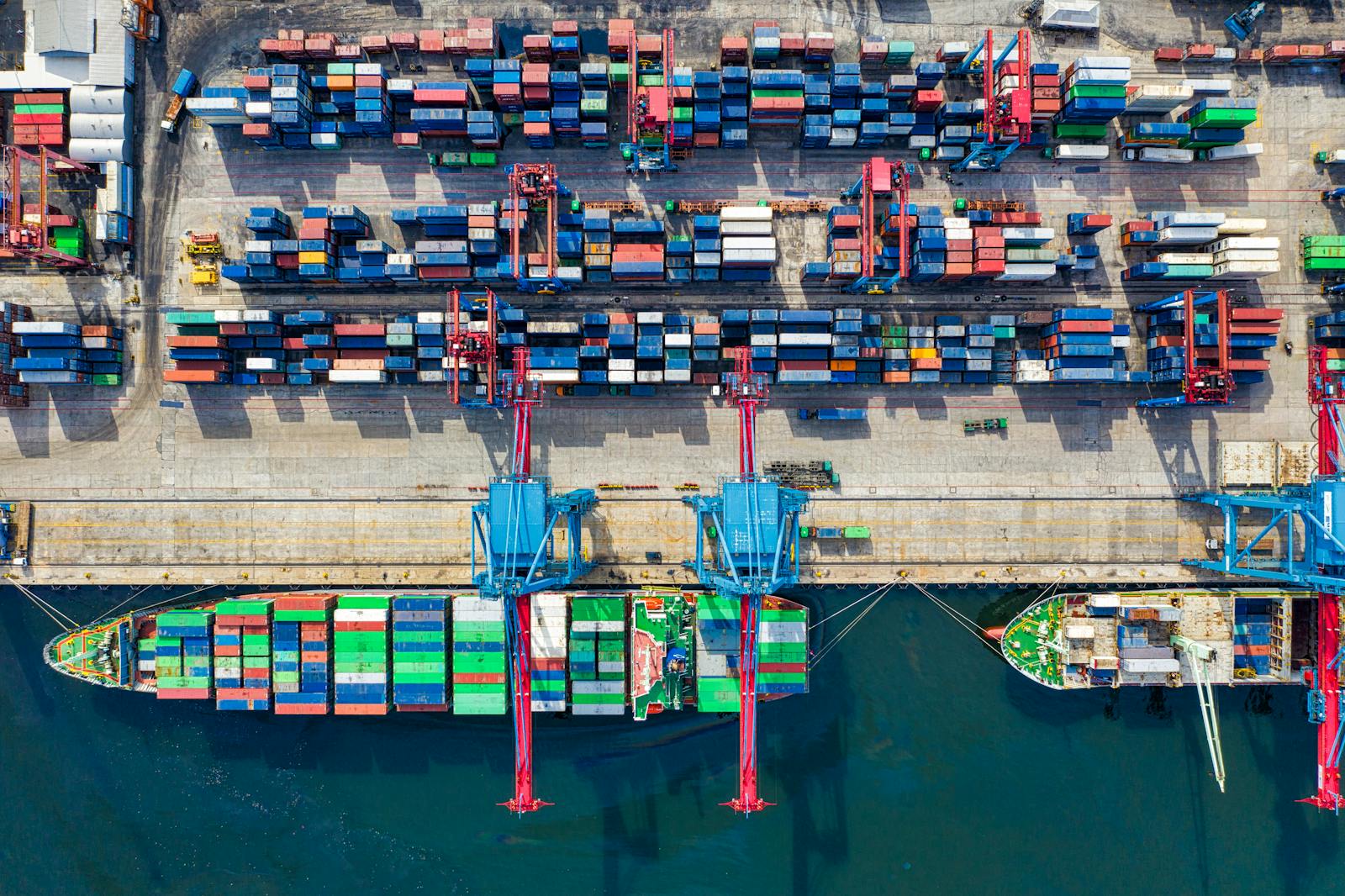
By aligning production schedules, we converted most LCL shipments into consolidated Full-Container-Load (FCL) ocean freight. One freight forwarder managed all four factories, eliminating duplicate pickups and terminal fees. Per-unit logistics cost dropped sharply.
4. Private Label and Packaging
Retail packaging was moved to the same Chinese factories producing the product, printed to the brand’s specs. This removed a domestic supplier, cut packaging freight to near zero, and shortened the fulfillment chain by one leg.
Practical Example: The Cost Math
The clearest way to see the impact is a single representative SKU—a steel kitchen organizer—before and after the program.
| Cost Component | Before | After |
|---|---|---|
| Ex-works unit price | $4.10 | $3.55 |
| Packaging (per unit) | $0.90 | $0.28 |
| Ocean freight (per unit) | $2.10 | $1.35 |
| Defect/return loss | $1.30 | $0.22 |
| Total landed (per unit) | $8.40 | $5.40 |
That single SKU moved from $8.40 to $5.40 landed—a 35.7% reduction. Across the full catalog, the blended saving landed at 34%, validating the strategy.
Common Mistakes They Almost Made
Even with a plan, several traps nearly eroded the savings. Avoiding them is half the battle.
- Chasing the lowest ex-works price: The cheapest factory quoted 8% under the audited finalist but failed the quality system review. Picking it would have tripled defect cost.
- Skipping the factory audit: One supplier looked perfect on a video call; the audit revealed it subcontracted 60% of work to unvetted shops. Disqualified before any deposit.
- Under-consolidating freight: Early attempts kept separate bookings “for flexibility,” which preserved LCL penalties. Aligning just two more weeks unlocked FCL rates.
- Treating packaging as an afterthought: Delaying the packaging transfer left the biggest single saving on the table for two months.
Expert Recommendations
Based on this engagement, we recommend the following sequence for any importer trying to lower landed cost:
- Audit before you negotiate. You cannot consolidate onto a supplier you have not verified. Run factory audits first.
- Group SKUs by process, not by category. The biggest savings come from feeding one factory related work, not from forcing unrelated products together.
- Set a defect budget. Track return loss as a line item; once visible, quality investment pays for itself fast.
- Plan freight backward from production. Build the shipment plan when you place the PO, not when goods are finished.
- Source packaging with the product. Co-locating packaging typically removes 0.5–1.0% of landed cost and one logistics leg.
- Use a single forwarder. Consolidated control beats “best price per shipment” every time at this scale.
Key Takeaway: Landed cost is a system, not a price. The 34% saving came from four coordinated moves—remove any one and the result collapses toward single-digit improvement.
Results at a Glance
| Outcome | Before | After |
|---|---|---|
| Blended landed cost | $8.40 / unit | $5.54 / unit |
| Defect rate | 6.2% | 1.4% |
| Active suppliers | 11 | 4 |
| Average lead time | 58 days | 41 days |
| Annual freight spend | $420,000 | $312,000 |
Beyond the numbers, the brand gained leverage: four deep supplier relationships instead of eleven shallow ones, and a repeatable playbook it now applies to every new product line.
FAQ Section
What is a China sourcing case study useful for?
A China sourcing case study shows real, quantified outcomes from an actual engagement—cost saved, defects reduced, lead times shortened—so other importers can see which sourcing strategies work and what mistakes to avoid before committing capital.
How much can a brand realistically save by consolidating suppliers?
In this engagement, consolidation contributed roughly 12–15% of the total 34% saving through higher volume leverage, better payment terms, and eliminated duplicate management overhead. The rest came from quality and logistics changes.
Do factory audits really pay for themselves?
Yes. A single audit here disqualified a supplier that would have produced 60% of output through unvetted subcontractors. The audit fee was a fraction of one defective container’s loss.
Is FCL always cheaper than LCL?
For full loads, FCL is almost always cheaper per unit and has fewer handling points, reducing damage risk. LCL still makes sense for very small test orders. The key is planning freight when the PO is placed, not after production.
Why move packaging to the product factory?
Co-locating packaging removes a separate domestic supplier, eliminates repackaging freight, and shortens the fulfillment chain by one leg—typically 0.5–1.0% of landed cost plus meaningful time savings.
How long does a transformation like this take?
This program ran over 12 months, with the first consolidated shipments landing around month 4. Most of the delay was aligning production schedules for freight consolidation, not the sourcing work itself.
Can a small importer get similar results?
Smaller importers see proportionally larger gains because they start more fragmented. Even at 2–3 containers per quarter, consolidation and inspection alone often yield 15–25% savings.
Conclusion
This China sourcing case study proves that landed-cost reduction is rarely about haggling one factory harder. The 34% result came from treating sourcing as a system: fewer, deeper supplier relationships; verified quality before shipment; consolidated freight; and packaging sourced in parallel with the product. Brands that apply the same framework can expect meaningful, durable savings—and a supply chain that is simpler to manage and far more resilient.
Need Help Sourcing Products from China?
Request a free sourcing consultation with Woosourcing.
Our team can help you with:
- Product sourcing
- Supplier verification
- Factory audits
- Quality inspections
- Private label manufacturing
- International shipping
Contact us today for a free quotation.


Recent Comments