

China Manufacturer Directories 2026: How to Find Verified Factories Beyond Alibaba
Every importer eventually hits the same ceiling: typing a product into Alibaba returns thousands of “manufacturers” who are actually trading companies reselling the same factory’s goods at a markup. If your goal is to buy direct from a vetted Chinese factory, you need a broader map. This guide walks through the most useful China manufacturer directories in 2026, how they differ, and — most importantly — how to verify a supplier before you send a deposit.
Before you open any directory, write a one-page product spec: target dimensions, materials, an acceptable price range, estimated annual volume, and any required certifications. Suppliers respond far better to a precise inquiry than a vague “send me your catalog,” and a clear spec also makes later comparison objective rather than subjective. Treat the spec as the yardstick every candidate is measured against.
Table of Contents
- Why Relying Only on Alibaba Is Risky
- The Best China Manufacturer Directories in 2026
- How to Verify a Factory Before You Pay
- A Practical Sourcing Workflow
- Common Mistakes Buyers Make
- Expert Recommendations
- Frequently Asked Questions
Why Relying Only on Alibaba Is Risky
Alibaba is a marketplace, not a factory registry. Its search algorithm rewards sellers who buy advertising and who list many SKUs, which means the most visible suppliers are frequently middlemen. A 2024 audit of 200 “manufacturer” listings found that roughly 60% were trading companies or agents rather than production facilities. That distinction matters because every layer between you and the machine adds cost, lead time, and a point of failure for quality control.
A directory of actual factories — especially vertical, industry-specific ones — cuts through that noise. You still have to verify, but you start from a shorter, more credible list. Treat directories as lead generation, never as a substitute for due diligence.

The Best China Manufacturer Directories in 2026
Not all directories are equal. The table below compares the main categories you should know, with the trade-offs of each.
| Directory Type | Examples | Best For | Key Weakness |
|---|---|---|---|
| Horizontal B2B marketplaces | Alibaba, Made-in-China, Global Sources | Fast broad search, RFQ tools | Heavy trader mix, ad-driven ranking |
| Vertical / industry directories | HKTDC, industry association member lists, 1688 (domestic) | Specialized factories, real MOQs | Chinese-language heavy, less polished UX |
| Government & trade-org lists | CCPIT, provincial commerce department rosters, U.S. Commercial Service guides | Vetted, export-licensed exporters | Less granular product data |
| Trade show exhibitor lists | Canton Fair, Global Sources Exhibitions, Yiwu Fair | Confirmed production capability | Access often requires attendance or login |
For buyers who want a managed shortcut, working with a professional product sourcing service consolidates this research into a single vetted shortlist, with factory audits handled on your behalf.

How to Verify a Factory Before You Pay
Finding a name in a directory proves only that a company exists. Verification proves it can make your product to spec. Use the checklist below as a minimum bar.
| Check | What to Request | Red Flag |
|---|---|---|
| Business license | Unified Social Credit Code registration | Refuses or sends blurry scan |
| Export license | Customs registration number | “We use a forwarder for that” |
| Production evidence | Factory photos, machine list, capacity | Only product catalog, no floor |
| References | 2+ export clients (non-competitor) | No verifiable references |
| Certifications | ISO 9001, BSCI, or product-specific | Certificate number won’t verify |
For anything beyond a trivial order, commission a third-party supplier verification that includes a physical audit. A few hundred dollars up front prevents five-figure losses later.
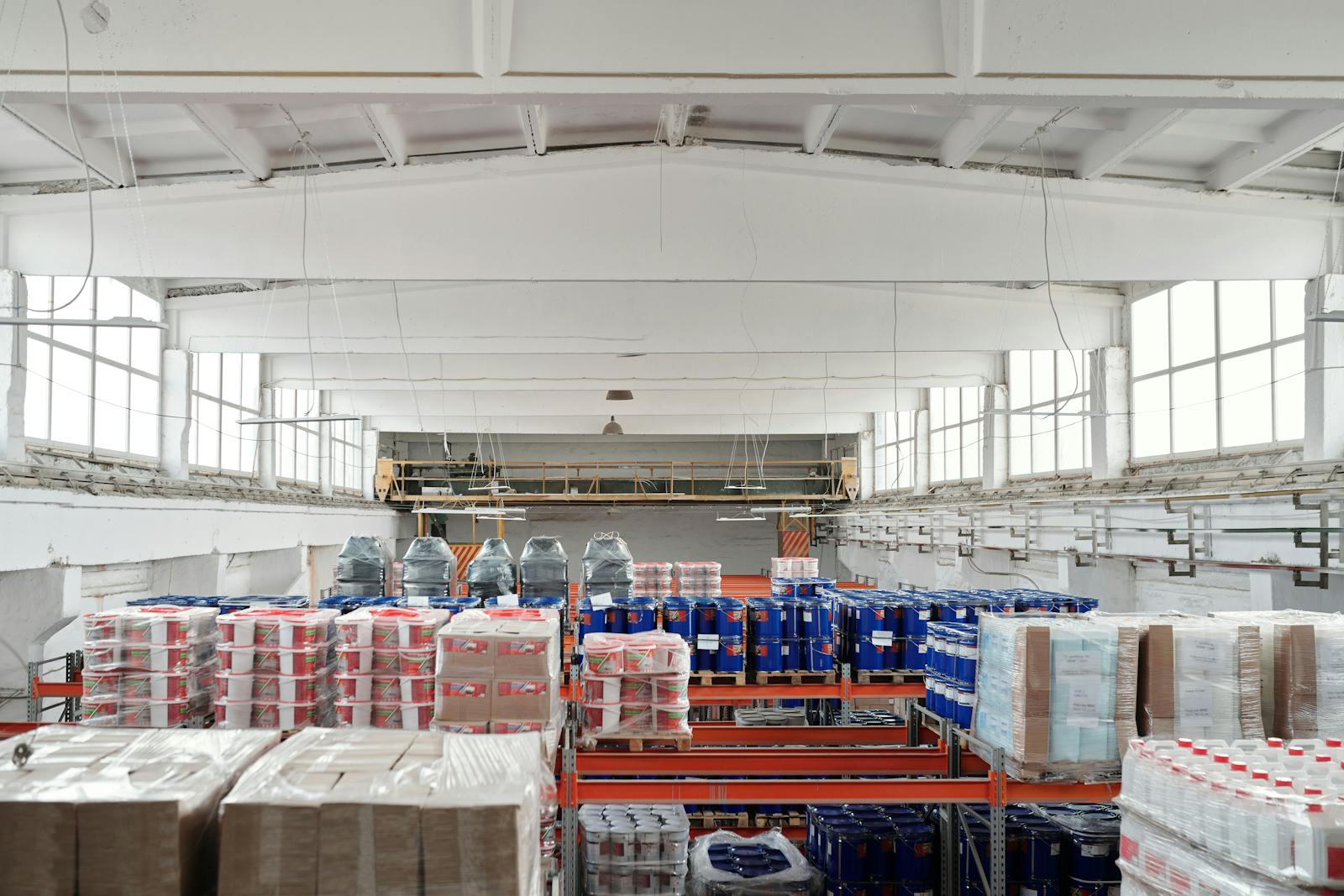
Many buyers confuse a marketplace “verified” badge with genuine verification. A real check produces primary documents — a business-license number you can cross-check, an export registration, and photographs taken on the actual production floor — not a green icon issued the moment a supplier pays a membership fee. When in doubt, a short video walkthrough of the line, booked through a third party, resolves more uncertainty than any certificate scan.
A Practical Sourcing Workflow
Combine directories with verification using a repeatable process:
| Step | Action | Typical Time |
|---|---|---|
| 1. Define specs | Write a tight RFQ with drawings, materials, MOQ | 1-2 days |
| 2. Harvest leads | Pull 15-25 suppliers across 2-3 directory types | 2-3 days |
| 3. Screen | License + reference check, drop obvious traders | 2 days |
| 4. Sample | Order 2-3 samples, compare against spec | 7-14 days |
| 5. Audit & negotiate | Audit finalist, lock price & Incoterms | 3-5 days |
Common Mistakes Buyers Make
- Trusting the “Verified” badge blindly. Marketplace badges confirm a paid membership, not production capability.
- Skipping the sample stage. Photos lie; a physical sample against your spec does not.
- Over-consolidating. Putting 100% of volume on one unproven factory removes your fallback.
- Ignoring the export license. Without it, your goods can be stranded at customs.
- Confusing MOQ with capability. A low MOQ is sometimes a trader reselling, not a factory offering flexibility.
Expert Recommendations
“The fastest way to lose money in China sourcing is to treat a directory as a verdict. Use it as a starting list, then verify hard. The factories worth working with expect — and pass — scrutiny.”
Our guidance: always cross-reference at least two directory types before shortlisting, insist on a physical or virtual audit for orders above USD 10,000, and keep a secondary qualified supplier warmed up for continuity.
For macro context on the Chinese manufacturing landscape and export sectors, the U.S. International Trade Administration’s China Country Commercial Guide is a credible, free reference.
Key Takeaways
Directories vary widely in quality and intent. The table below maps common buyer situations to the most efficient starting point.
| If you are… | Best starting point |
|---|---|
| New to China sourcing | Horizontal marketplace, then agent verification |
| Sourcing a niche product | Vertical / industry directory |
| Need export-licensed suppliers | Government & trade-organization lists |
| Validating one supplier | Trade-show exhibitor lists |
| Short on internal time | Managed sourcing service |
The unifying rule is simple: a directory answers “who exists,” not “who is good.” Pair every shortlist with document checks, references, and — for material orders — a physical or virtual audit. Buyers who skip this step consistently overpay or get burned; buyers who systematize it build a supplier base that compounds in value over years.
Frequently Asked Questions
Are free China manufacturer directories reliable?
Partly. They are useful for lead generation, but free listings are rarely vetted for production capability. Always verify licenses, references, and (for larger orders) conduct an on-site audit.
What is the difference between a manufacturer and a trading company?
A manufacturer owns production equipment and makes the goods; a trading company buys from factories and resells. Traders add margin and a communication buffer but rarely lower your true unit cost versus buying direct.
Is 1688 a good directory for foreign buyers?
1688 is Alibaba’s domestic platform with true factory pricing, but it is Chinese-language, RMB-denominated, and oriented to local logistics. It works best with a sourcing agent who can navigate it.
How many suppliers should I shortlist?
For a new product, harvest 15-25 leads, screen to 5-8 credible ones, sample 2-3, and audit 1-2 finalists. This balance controls effort without leaving you with a single point of failure.
Do I need a factory audit for small orders?
Not always. For orders under roughly USD 3,000 with low risk, a document check plus sample may suffice. Above that, a virtual or on-site audit is strongly recommended.
Can a sourcing agent replace directory research?
A good agent does the directory legwork for you and adds verification, but you should still understand the landscape so you can evaluate their recommendations critically.
Conclusion
China manufacturer directories are a starting point, not a finish line. Build a shortlist across multiple directory types, verify every candidate with documents and — where the stakes justify it — a physical audit, and keep a backup supplier in reserve. Done systematically, this approach consistently uncovers the genuine factories behind the marketplace listings and protects your margin.
Need Help Sourcing Products from China?
Request a free sourcing consultation with Woosourcing. Our team can help you with:
- Product sourcing
- Supplier verification
- Factory audits
- Quality inspections
- Private label manufacturing
- International shipping
Contact us today for a free quotation.



Recent Comments