

Amazon FBA Product Research & Sourcing from China: A 2026 Playbook
Winning on Amazon starts long before you list a product — it starts with disciplined product research and a sourcing process that protects margin and quality. This guide shows Amazon sellers how to research, validate, and source FBA products from China without burning cash on dead stock or non-compliant goods.
Table of Contents
- Why Product Research Decides FBA Profit
- The Product Research Framework
- Sourcing the Winning Product from China
- Supplier Vetting & Sampling
- The FBA Landed-Cost Model
- Compliance & Amazon Requirements
- Common Mistakes Sellers Make
- Expert Recommendations
- Frequently Asked Questions
Why Product Research Decides FBA Profit
Most failed FBA launches die at the research stage: sellers pick saturated categories, ignore inbound fee changes, or source a product that cannot clear a 30% margin after PPC. Good research filters ideas by demand, competition, weight, and compliance before a dollar is spent on inventory. Pair that with a reliable China sourcing partner and you de-risk both sides of the launch.

The Product Research Framework
| Criterion | Target | Why it matters |
|---|---|---|
| Monthly demand | 3,000+ units | Enough volume to amortize PPC |
| Competitor reviews | <500 on page 1 | Room to enter |
| Item weight | <2 lb ideal | Low FBA fees |
| Price band | $18–$45 | Margin without sticker shock |
| Compliance load | Low (no electronics/chemicals) | Fewer certifications |
Research and sourcing are different skills. Research tells you what to sell; sourcing decides whether you make money on it. A product can show perfect demand and still fail because the factory cannot hit the price, the freight eats margin, or the defect rate triggers returns. Treat sourcing as the second gate, not a formality after the listing is built.
Sourcing the Winning Product from China
Once an idea passes the filter, move to sourcing. China’s factories can produce almost any consumer good, but the gap between a listing photo and a sellable unit is real. Shortlist 5–8 factories, request samples from at least three, and compare build quality, not just price. A FBA prep and inbound specialist ensures cartons, labels, and manifests meet Amazon’s requirements.
Validation Steps
- Order samples and photograph against your spec.
- Run a small 200–300 unit test order.
- Inspect to AQL 2.5 before it ships.
- Send to a prep center, then to FBA.

Red Flags to Watch
| Signal | What it means |
|---|---|
| No export license | May not handle cross-border shipping legally |
| Refuses samples | Hides inability to hit spec |
| Price far below market | Possible substitution of materials |
| No QC process | Defect risk on every batch |
These signals are cheap to check during vetting and expensive to discover after a container arrives. A disciplined shortlist filters most bad suppliers before you spend on samples.
Supplier Vetting & Sampling
Never skip verification. Check business licenses, request factory photos, and confirm export history. For branded or patented items, confirm the supplier is not infringing. Sampling is the cheapest insurance you have: a $40 sample beats a $12,000 container of rejects.
Forecasting demand before you order prevents both stockouts and dead inventory. Use your research numbers as a baseline, then model two scenarios: a conservative case where conversion is half your estimate, and an optimistic case where it doubles. Size the first order to the conservative case so a weak launch does not sink you, and keep a ready backup supplier so a strong launch can be refilled fast.
The FBA Landed-Cost Model
Build the model before you commit. A product that looks cheap ex-works can collapse after freight, duty, and FBA fees.
| Cost component | Example |
|---|---|
| Ex-works unit | $4.00 |
| Freight (allocated) | $0.80 |
| U.S. duty | $0.60 |
| FBA fulfillment (per unit) | $3.50 |
| Prep & labeling | $0.40 |
| Total landed + FBA | $9.30 |
At a $24.99 price, that leaves roughly $15.69 for PPC, returns, and profit — workable if conversion is healthy.
Amazon’s own requirements sit on top of government rules: correct labeling, compliant packaging, and category-specific documentation. A product that clears Customs and Border Protection can still be rejected at the fulfillment inbound dock for a missing FNSKU or a carton that exceeds size limits. Align your supplier’s packing with Amazon’s current specs before production, not after a return.
Compliance & Amazon Requirements
Amazon requires documentation for many categories: CPC for children’s items, FCC for electronics, Prop 65 for California, and proper labeling throughout. The ITATrade.gov China country commercial guide outlines export and regulatory basics for goods leaving China, useful when building your compliance checklist.
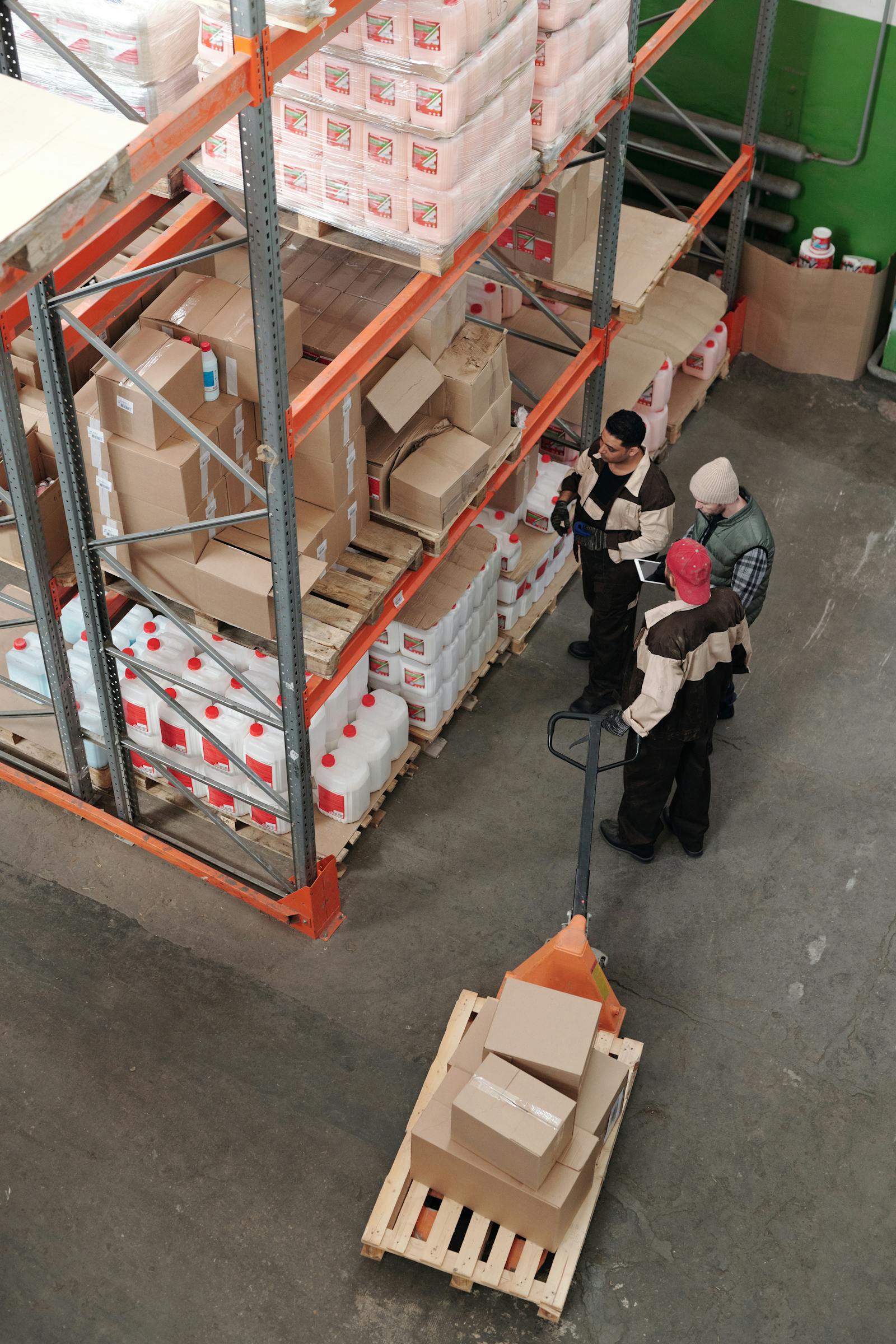
Sampling is the cheapest failure mode you have. A forty dollar sample that reveals a weak clasp or a wrong color saves a twelve thousand dollar container of unsellable inventory. Order from at least three factories, photograph each against your spec, and keep the best as your golden sample for future inspections. The sample is also your legal reference if a factory later substitutes cheaper materials.
Common Mistakes Sellers Make
- Chasing fads with long lead times. By the time stock lands, the trend is over.
- Ignoring dimensional weight. Bulky-light items carry brutal FBA fees.
- Single-supplier dependence. One factory shutdown ends your listing.
- Skipping inspection to save $200. One bad batch triggers negative reviews that sink ranking.
Reordering and replenishment deserve as much attention as the first order. Track sell-through weekly, watch inbound transit, and place the next order while stock is still healthy rather than after a zero-inventory alert. Sellers who plan replenishment on a calendar outperform those who react to stockouts, and they avoid the air-freight panic that destroys a quarter’s margin.
Expert Recommendations
Research with margin, not vanity sales, in mind. Keep a backup supplier qualified. Run every shipment through AQL inspection and a prep center. Reinvest early profits into a second complementary SKU rather than one hero product. For execution, use our FBA prep and inbound service to avoid label and carton rejections.
Key takeaway: FBA success is a research problem first and a sourcing problem second. Validate demand, model landed cost, then source from a vetted, inspected supplier.
Frequently Asked Questions
How do I find a profitable FBA product to source from China?
Filter by demand, low competition, light weight, and a $18–$45 price point. Score each idea on a landed-cost model that includes FBA fees before ordering samples.
What MOQ should I expect from Chinese factories?
Many consumer goods start at 300–500 units for private label; some accept lower for simple items. Negotiate a trial run before committing to a full container.
Do I need a freight forwarder for FBA?
Yes for anything beyond express parcels. A forwarder books ocean or air, handles customs, and delivers to a prep center that meets Amazon’s carton and label rules.
How much should I budget for the first order?
Plan $3,000–$8,000 for a 300–500 unit test including samples, freight, duty, inspection, and prep. Scale only after the listing converts.
What compliance docs does Amazon require?
It depends on category: CPC for children’s products, FCC for electronics, Prop 65 where applicable, and clear labeling. Request certificates from the factory upfront.
Should I use FBA or merchant fulfillment for my first product?
FBA is usually better for new sellers because it unlocks Prime and handles returns; start there unless your product is oversized or very low velocity.
How do I avoid patent or trademark issues?
Search Amazon and USPTO before sourcing, avoid branded look-alikes, and ask the supplier for a non-infringement confirmation plus their own design proof.
Conclusion
Amazon FBA rewards sellers who research with discipline and source with verification. Build the cost model first, vet and inspect suppliers, and let margin — not hype — drive your decisions.
Need Help Sourcing Products from China?
Request a free sourcing consultation with Woosourcing.
Our team can help you with:
- Product sourcing
- Supplier verification
- Factory audits
- Quality inspections
- Private label manufacturing
- International shipping
Contact us today for a free quotation.


Recent Comments