
China Bonded Warehousing & Overseas 3PL: Defer Tariffs and Speed Up US Delivery
Importers who ship container loads from China to the United States pay duties the moment goods clear US customs. For high-volume sellers that cash-flow hit can be brutal, and it arrives before a single unit is sold. A bonded warehousing plus overseas 3PL model flips that timeline: you store inventory inside a Chinese free-trade zone without paying duty until the moment it actually ships to a US customer, then hand fulfillment to a domestic 3PL that delivers in two days. This guide explains how the model works, when it pays off, and the mistakes that erase the savings.
Table of Contents
- What Is a Bonded Warehouse in China?
- How Bonded Warehousing Defers Tariffs
- Overseas 3PL: The US-Side Fulfillment Piece
- When to Use This Model (Practical Examples)
- Common Mistakes Importers Make
- Expert Recommendations
- Frequently Asked Questions
- Conclusion
- Need Help Sourcing Products from China?
What Is a Bonded Warehouse in China?
A bonded warehouse is a secured facility, usually inside a government-designated free-trade zone (FTZ), where imported or locally produced goods can be stored, sorted, repacked, and re-exported without immediate payment of import duties or value-added tax (VAT). China operates more than 20 FTZs, with the most active for export fulfillment clustered around Shanghai, Shenzhen, Guangzhou, Tianjin, and Chengdu.
Goods enter the zone under customs supervision. They only “cross the border” for duty purposes when they leave the zone and enter the domestic market of the destination country. Because your US-bound containers never formally “import” into China, and you defer the US duty until units are pulled for a US order, your working capital stays in inventory instead of sitting with customs.
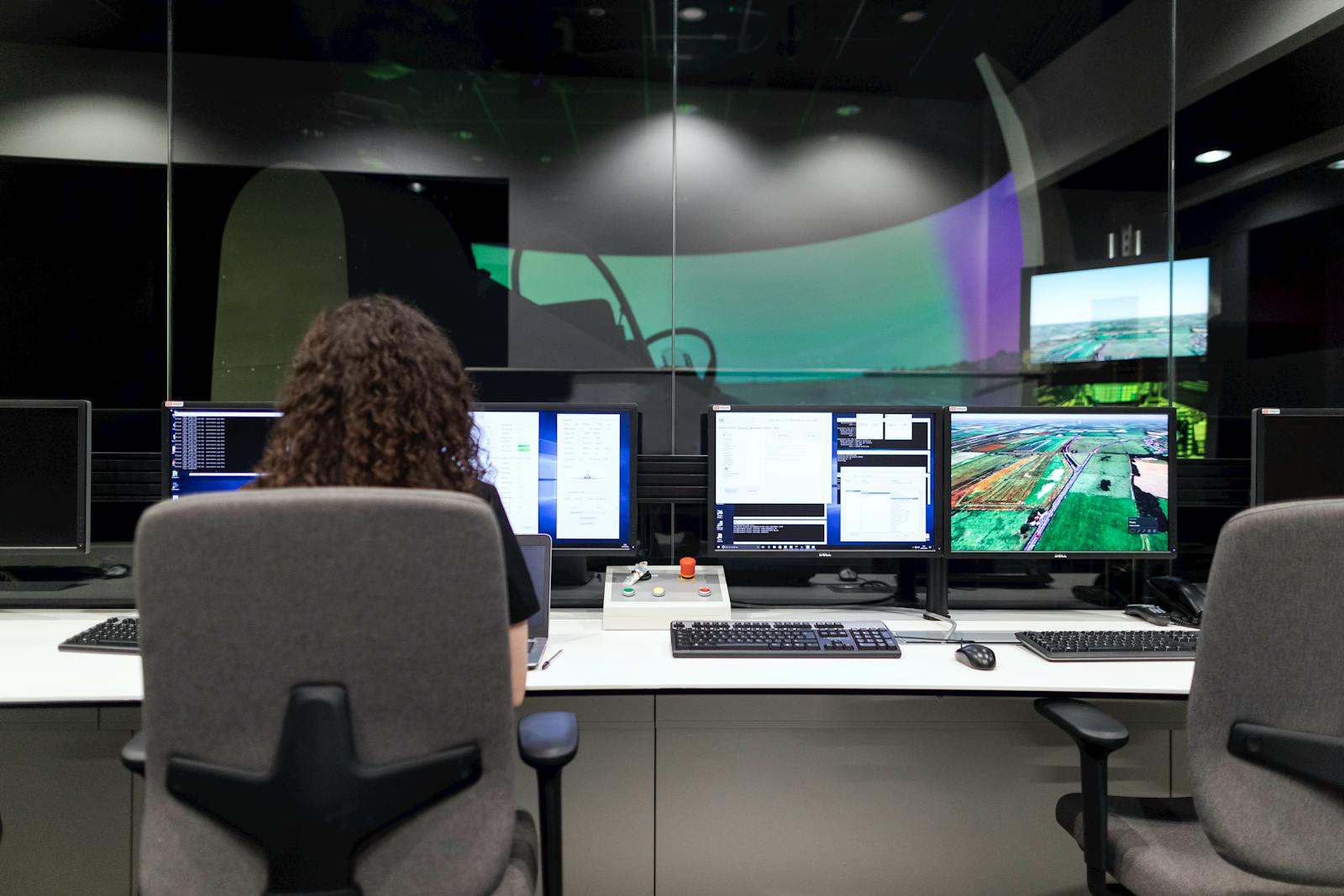
Bonded vs. Non-Bonded Storage
The table below contrasts the two operating models for a typical US importer.
| Factor | Bonded (FTZ) Storage | Standard Warehouse |
|---|---|---|
| Duty paid on entry? | No — deferred until US shipment | Yes — paid at US customs clearance |
| VAT exposure | Rebatable / suspended | Applied on domestic movement |
| Re-export flexibility | High — ship to any country | Limited |
| Best for | Multi-destination, deferred-duty sellers | Single-market, immediate-sale goods |
How Bonded Warehousing Defers Tariffs
The core benefit is duty deferral. Under US rules, merchandise that is stored in a foreign bonded zone and later shipped to the US is only subject to tariffs when it is admitted into US commerce. Three mechanisms make this valuable:
- Duty deferral: Pay tariffs months later, when units ship to a customer rather than when the container arrives.
- Duty drawback: If goods are re-exported or destroyed, previously paid duties can be recovered.
- VAT suspension: China’s export VAT rebate still applies, while domestic VAT on the zone movement is suspended.
For an Amazon FBA or Shopify brand turning inventory 4–6 times a year, deferring a 25% Section 301 tariff on $500,000 of goods for even 90 days is meaningful free float. The savings are not a discount on the tariff — they are the time value of money and the avoidance of duty on units that are repackaged or re-exported.
Overseas 3PL: The US-Side Fulfillment Piece
Bonded storage solves the duty-timing problem; a US 3PL (third-party logistics provider) solves the delivery-speed problem. After goods clear US customs in bulk — often via a deconsolidation warehouse near a major port — they are forwarded to a domestic 3PL that picks, packs, and ships orders to end customers in 1–3 days.
| Approach | Average Delivery to US Buyer | Duty Timing | Working Capital |
|---|---|---|---|
| Direct China drop-ship | 10–20 days | Paid on entry | Tied up early |
| Bonded zone + US 3PL | 1–3 days | Deferred / per-shipment | Optimized |
| Full container to US 3PL (no bonded) | 1–3 days | Paid on entry | Tied up early |
The bonded-plus-3PL stack is the only option that delivers both deferred duty and fast domestic shipping. For brands that also run DDP or FOB shipping terms, layering bonded storage on top reduces the landed-cost volatility that tariffs create. For broader context on the US trade and customs environment that shapes these structures, the U.S. International Trade Administration’s country commercial guides are a useful reference.

When to Use This Model (Practical Examples)
This structure is not for everyone. It pays off when three conditions hold:
- Steady, repeatable demand — you ship the same SKUs regularly, so bulk entry plus deferred duty compounds the benefit.
- Tariff exposure is material — Section 301 lists, antidumping duties, or high HTS rates make deferral worthwhile.
- You sell through multiple channels — Amazon FBA, Shopify, and wholesale orders can all draw from one US 3PL pool.
Example: a $4M-revenue home-goods brand imports ceramic and textile SKUs under 10+ HTS codes. By staging inventory in a Shenzhen FTZ and forwarding monthly to a California 3PL, it deferred roughly $180,000 in duties across a quarter and cut average delivery from 12 days to 2 days — lifting repeat-purchase rate materially.

Common Mistakes Importers Make
- Ignoring minimum-volume thresholds. FTZ operators charge setup and monthly minimums; below ~$50K/month of throughput the math flips.
- Poor HTS classification. Deferral only works if your tariff codes are correct — misclassification triggers penalties.
- Choosing a 3PL without port proximity. A 3PL far from your deconsolidation point adds trucking cost that erases duty savings.
- No inventory visibility. Without real-time stock data across the FTZ and 3PL, you overstock one node and stock out the other.
- Mixing bonded and non-bonded flows in one PO. This complicates customs accounting and slows clearance.
Expert Recommendations
Before committing to a bonded-plus-3PL architecture, work through this checklist with your sourcing partner:
| Step | Action |
|---|---|
| 1 | Map monthly throughput per HTS code to confirm deferral volume justifies FTZ fees. |
| 2 | Select an FTZ operator with directexport rebate processing and English-language reporting. |
| 3 | Negotiate a 3PL contract with transparent pick-pack rates and port-adjacent receiving. |
| 4 | Integrate inventory software so FTZ stock and 3PL stock share one dashboard. |
| 5 | Run a 90-day pilot on your top 3 SKUs before full rollout. |
For most importers, the single highest-leverage move is simply partnering with an experienced China sourcing team that already has FTZ relationships and vetted 3PL partners, rather than building the network from scratch.
“Bonded warehousing is not a tariff loophole — it is legitimate customs deferral. The savings come from timing and re-export flexibility, not from avoiding duties you actually owe.”
Frequently Asked Questions
Is bonded warehousing legal for US imports?
Yes. Storing goods in a Chinese FTZ and deferring US duty until shipment is a standard, fully legal practice governed by customs regulations in both countries.
Does bonded storage eliminate my tariffs?
No. It defers them until goods are admitted into US commerce. You still pay the applicable duty; you simply pay it later and avoid it entirely on re-exported or destroyed units.
What does an FTZ cost?
Expect a one-time setup fee plus monthly storage and handling charges. Below roughly $50K/month of throughput the fixed costs often exceed the duty-float benefit.
Can small sellers use this model?
Yes, through shared bonded facilities, but the economics favor sellers with steady, repeatable volume across multiple SKUs and channels.
How fast can a US 3PL deliver after clearance?
Once goods are at a domestic 3PL, standard delivery is 1–3 business days for continental US addresses.
Do I still need a customs broker?
Yes. A licensed broker files the entry, manages HTS classification, and handles duty payment when units are released from the bonded status.
Conclusion
China bonded warehousing combined with a US overseas 3PL gives importers the rare combination of deferred tariffs and fast domestic delivery. It is not a fit for every seller, but for brands with steady multi-channel demand and meaningful tariff exposure, the cash-flow and speed advantages are substantial. Model your throughput honestly, choose port-adjacent partners, and pilot before scaling.
Need Help Sourcing Products from China?
Request a free sourcing consultation with Woosourcing. Our team can help you with:
- Product sourcing
- Supplier verification
- Factory audits
- Quality inspections
- Private label manufacturing
- International shipping
Contact us today for a free quotation.


Recent Comments