

CFS Transloading & Container Freight Stations for China Imports: The 2026 Logistics Playbook
Most importers think in terms of FCL (full container load) or direct LCL (less-than-container load) to their door. But a powerful intermediate step — the Container Freight Station (CFS) and transloading — can cut cost, speed delivery, and de-risk fulfillment for China imports. This guide explains what a CFS is, when transloading pays off, and how to build it into your inbound logistics in 2026.
Table of Contents
What Is a CFS and What Is Transloading?
Definition — CFS (Container Freight Station): a bonded or non-bonded warehouse where cargo is consolidated (LCL → container) or deconsolidated (container → LCL) and where freight is transferred between transport modes.
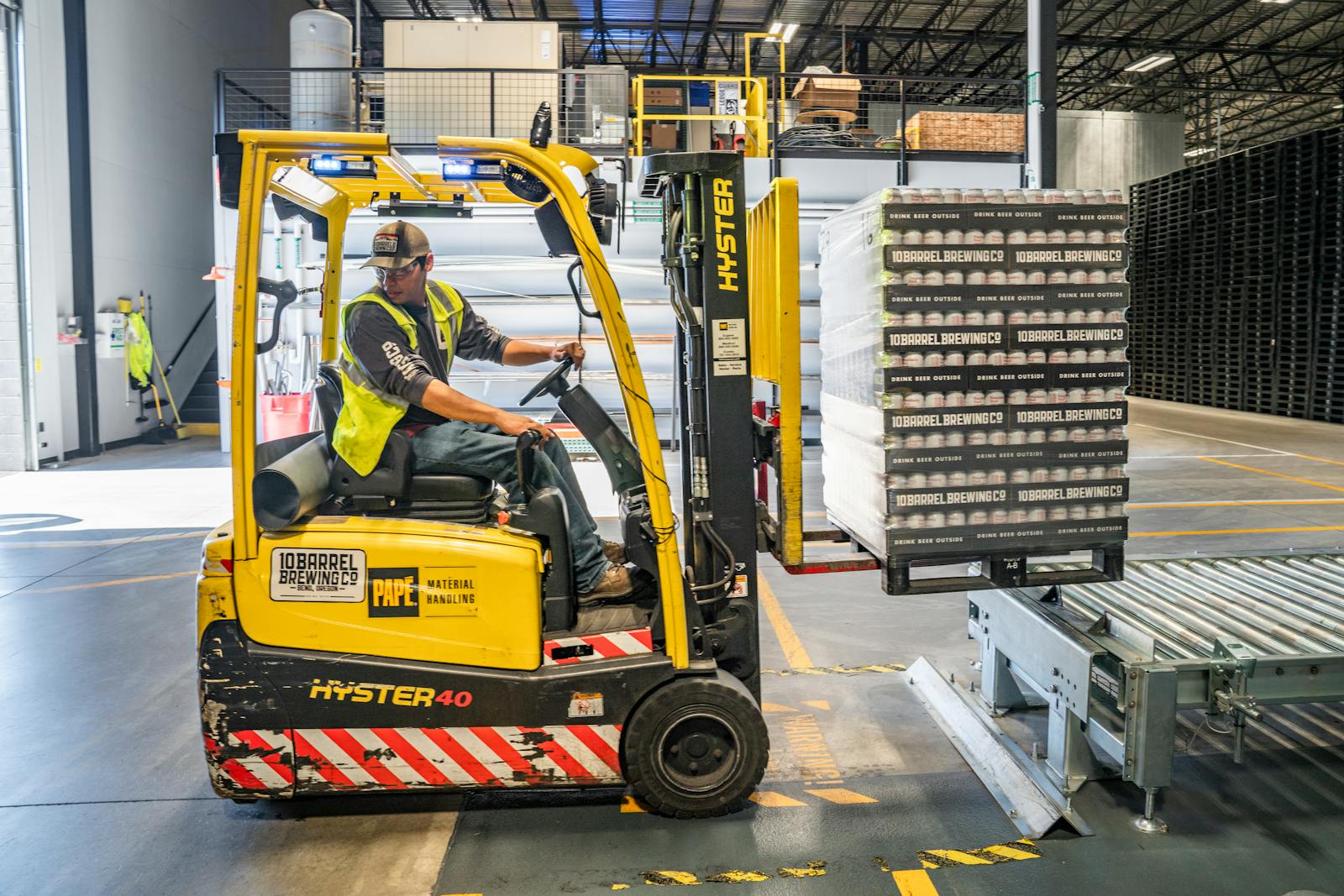
Definition — Transloading: the process of moving goods from one mode of transport to another — e.g., from an ocean container into domestic trucks or rail — often with repacking, palletizing, or re-labeling at the CFS.
Key takeaway: A CFS is the physical node; transloading is the activity. Together they let you buy a full container’s economics while shipping to multiple final destinations.

How the CFS Workflow Works
- Origin consolidation (China): multiple suppliers’ goods are gathered and stuffed into one FCL at a Chinese CFS or factory.
- Ocean leg: the full container sails to the destination port.
- Destination deconsolidation: at the destination CFS, the container is opened and sorted by final destination.
- Transload: cargo is palletized, re-labeled, and transferred to trucks/rail for final delivery.
- Final mile: goods reach your warehouse, 3PL, or FBA center as clean pallets.
| Step | Owner | Value |
|---|---|---|
| Origin CFS | China freight forwarder | Single FCL rate vs multiple LCLs |
| Ocean | Carrier | Lower $/CBM than LCL |
| Destination CFS | US/EU 3PL or broker | Split to many recipients |
| Transload | Destination CFS | Palletize, relabel, inject to network |
When Transloading Pays Off
- Multi-destination fulfillment: you ship one container but serve 3 warehouses or FBA regions.
- Supplier fragmentation: consolidating 4–10 suppliers into one FCL beats paying per-supplier LCL.
- Retail routing: transload lets you apply carton-level labeling (ASN, UPC) required by big-box receivers.
- Inventory staging: hold pallets at the CFS and release to trucks on a JIT schedule.
- Mode shift: move the long haul to cheaper rail (e.g., to inland US) after deconsolidation.
Expert tip: transloading is not free — the CFS charges handling, storage, and palletizing. Model the fee against the LCL premium before committing.
Practical Example: 3 Suppliers, 1 Destination
A US seller buys from three Yiwu/Guangzhou factories, totaling 18 CBM, shipping to a Los Angeles 3PL then to two FBA centers.
| Option | Cost | Transit |
|---|---|---|
| Three separate LCLs | $2,700 + 3 deliveries | 38–45 days |
| One FCL + LA CFS transload | $1,950 ocean + $480 CFS | 34–40 days |
The FCL-plus-transload saves ~$270 and arrives faster, plus the CFS pre-palletizes to FBA spec so the 3PL receives clean freight. At higher volumes the gap widens.
Common Mistakes Importers Make
- Ignoring CFS fees: the savings vanish if handling/storage is steep.
- Poor carton marking: without clear SKU labels, deconsolidation becomes a manual hunt.
- No transit coverage: cargo is exposed between container opening and re-load; insure the transload leg.
- Choosing the wrong CFS: a CFS far from rails/ports adds drayage cost.
- Skipping the packing list match: mismatched docs slow customs at deconsolidation.

Expert Recommendations & Checklist
Use this checklist before routing through a CFS:
- Confirm total CBM across suppliers justifies one FCL.
- Get the destination CFS quote: handling, storage/day, palletizing, relabel.
- Standardize carton SKU labels and a single master packing list.
- Insure the full door-to-door chain, including the transload leg.
- Pick a CFS co-located with your rail/road final-mile network.
- Track the container and the transload separately for visibility.
Expert recommendation: For most small-to-mid importers, a China-origin consolidation into one FCL plus a destination CFS transload beats piecemeal LCL once you exceed ~15 CBM across two or more suppliers. Compare the math against DDP vs FOB shipping terms and your sea vs air strategy. For trade-logistics context, the ITA China Country Commercial Guide is a useful reference.
Transloading is most powerful when planned as part of the purchase order, not bolted on after a logistics problem appears. Tell suppliers to use a single master packing list and consistent carton SKU labels from day one, and the destination CFS becomes a smooth hand-off rather than a bottleneck. Visibility — tracking both the ocean container and the transload event — keeps exceptions manageable, and a brief daily status from the CFS prevents the silent pile-up of storage fees that eats the savings.
Key Takeaways
- A CFS is the node; transloading is the activity that moves cargo between modes.
- Consolidate multiple suppliers into one FCL, then deconsolidate at the destination CFS.
- Transloading pays off above ~15 CBM across two or more suppliers.
- Standardize carton SKU labels and a single packing list to avoid delays.
- Insure the full door-to-door chain, including the transload and storage leg.
| Scenario | Best routing |
|---|---|
| Single supplier, full container | Direct FCL to door |
| Multi-supplier, >15 CBM | FCL + destination CFS transload |
| Small, urgent LCL | Direct LCL, skip CFS |
Frequently Asked Questions
Is a CFS the same as a port?
No. A port handles vessel loading; a CFS handles cargo consolidation, deconsolidation, and transloading, and is usually located near the port or an inland rail hub.
When is transloading cheaper than direct LCL?
Typically once you have enough volume across multiple suppliers to fill (or nearly fill) a container and the destination CFS fees are lower than the LCL rate premium.
Can I transload to Amazon FBA?
Yes. Many destination CFS/3PL providers palletize and label to FBA requirements, then inject the pallets via small-parcel or LTL into the Amazon network.
Who handles customs in a transload flow?
Customs clearance usually happens at the port of entry before or during deconsolidation; your broker files the entry and the CFS releases cargo once cleared.
Is my cargo insured during transloading?
Only if your policy covers the full door-to-door chain. Confirm the transload leg and storage are explicitly included, or buy a top-up.
What documents does a CFS need?
A single master packing list, commercial invoice, bill of lading, and clear per-carton SKU labels. Mismatches are the top cause of delays.
Should I use a bonded or non-bonded CFS?
Use bonded if cargo is not yet cleared and you want to defer duty or re-export; use non-bonded for already-cleared goods moving straight to domestic transit.
Conclusion
CFS transloading is the connective tissue between China-origin consolidation and flexible destination fulfillment. Used deliberately — one FCL consolidated in China, deconsolidated and transloaded at a well-chosen destination CFS — it lowers freight cost, speeds delivery, and supports multi-warehouse and FBA strategies. Model the fees, standardize your paperwork, and it becomes a default part of your inbound playbook.
Need Help Sourcing Products from China?
Request a free sourcing consultation with Woosourcing. Our team can help you with:
- Product sourcing
- Supplier verification
- Factory audits
- Quality inspections
- Private label manufacturing
- International shipping
Optimize your inbound logistics — see our China sourcing guide or contact us today for a free quotation.


Recent Comments