
Overseas Warehouse & 3PL Fulfillment from China for Shopify (2026)
Shopify sellers who ship directly from China hit a ceiling: 10–20 day delivery kills conversion and returns. The fix many growing stores use is an overseas warehouse — inventory positioned in your customer’s region, picked and packed by a third-party logistics (3PL) provider. This guide explains how to combine China sourcing with overseas 3PL fulfillment to deliver in 2–5 days without holding your own warehouse. For the official market-entry and importing framework, the International Trade Administration’s country commercial guides are a helpful reference.
Table of Contents
- What Is Overseas Warehouse & 3PL Fulfillment?
- Why Shopify Sellers Use It
- How to Set It Up: 7 Steps
- Cost Structure
- Common Mistakes
- Expert Recommendations
- Frequently Asked Questions
What Is Overseas Warehouse & 3PL Fulfillment?
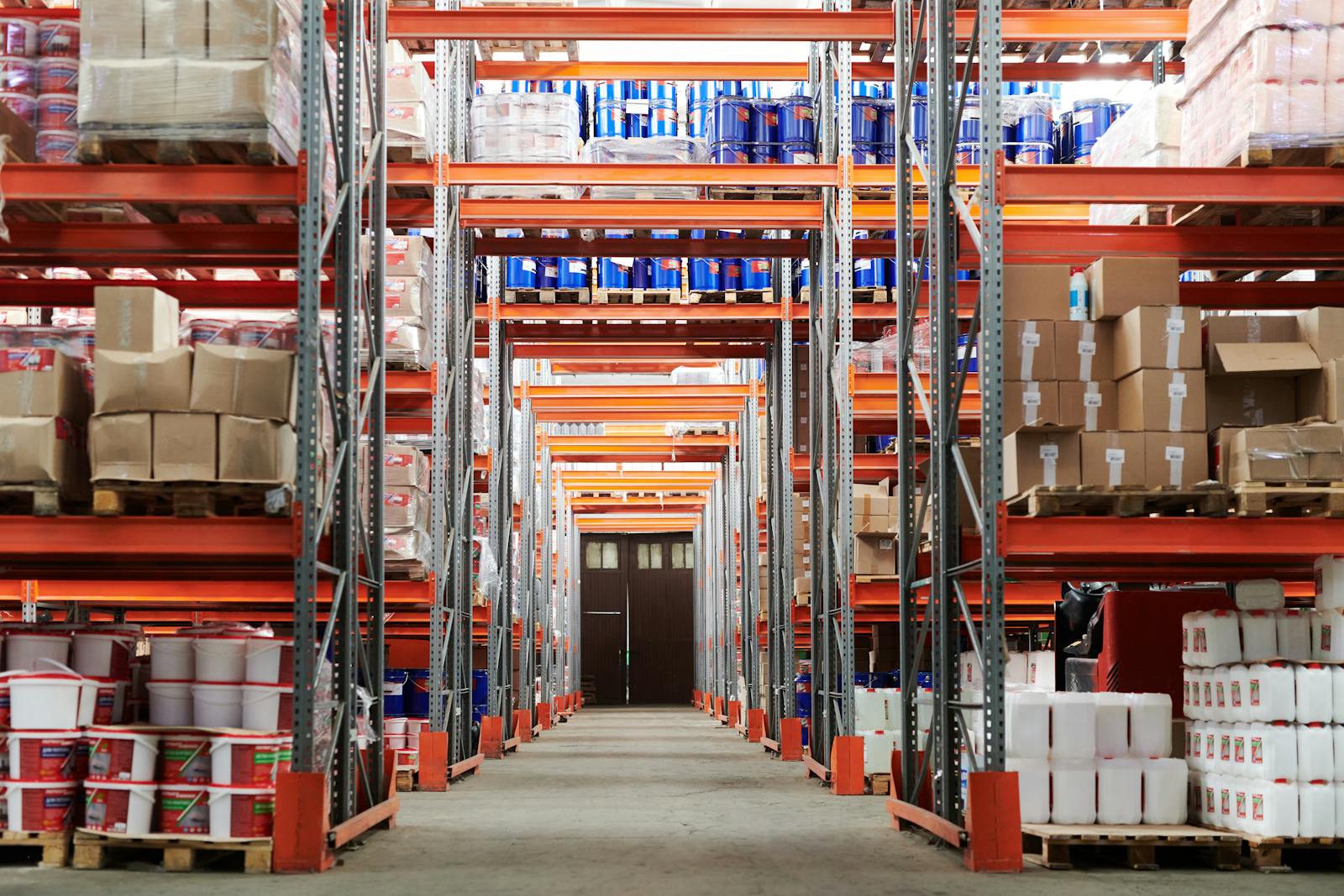
An overseas warehouse is inventory stored in a target market (US, EU, UK) rather than at the Chinese factory. A 3PL is a logistics company that receives your goods, stores them, and ships individual orders on your behalf. Together they let you:
- Buy in bulk from China at low unit cost, then split-ship to customers locally.
- Offer 2–5 day domestic delivery instead of cross-border wait times.
- Handle returns and exchanges in-region, improving customer trust.
- Keep capital efficient by replenishing from China on a forecast, not per order.
Why Shopify Sellers Use It
- Conversion lift. Fast, tracked local delivery is a stated purchase driver on product pages.
- Lower per-order shipping. A single ocean container to the warehouse beats thousands of individual cross-border parcels.
- Returns handling. A local return address reduces refund disputes and repeat friction.
- Marketplace eligibility. Amazon, TikTok Shop, and some retail buyers expect local fulfillment.
The model is not free of trade-offs: you pre-pay for inventory and commit to storage, so it rewards predictable demand and punishes speculative bets. The discipline is in sizing the first batch correctly and letting real sales — not optimism — drive the next container.
| Model | Delivery Speed | Upfront Cost | Best For |
|---|---|---|---|
| Direct from China (parcel) | 10–20 days | Low | New stores, low volume |
| Overseas 3PL (your stock) | 2–5 days | Medium (inventory + storage) | Growing, steady sellers |
| Dropship agent | 7–15 days | Low | Test-stage, no inventory |
| Own overseas warehouse | 1–3 days | High | Enterprise scale |
How to Set It Up: 7 Steps
- Forecast demand. Estimate 60–90 days of sales per SKU to size your first overseas batch.
- Choose a 3PL. Match to your market (US/EU/UK), integrate with Shopify, and check SLAs and storage fees.
- Source in bulk. Use a China sourcing partner to consolidate and containerize goods for the warehouse.
- Label for the warehouse. Apply carton and SKU labels to the 3PL’s spec before departure from China.
- Ship via ocean LCL/FCL. Send the batch to the overseas warehouse; cheaper than air for volume.
- Integrate inventory. Connect Shopify to the 3PL so stock and orders sync automatically.
- Monitor and replenish. Reorder from China when cover drops below your lead-time buffer.

Coordinate the China side with your overseas plan from day one: tell the factory the 3PL’s carton and SKU label spec, and book ocean space against your reorder trigger rather than when stock runs low. The most expensive failures happen at the hand-off — goods that arrive unlabelled or un-synced cost more to fix than they saved, and they erode the very delivery promise the warehouse was meant to protect.
Cost Structure
The economics only work when storage and pick-pack fees stay below the savings from local shipping and fewer returns — so model the full per-order cost, not just the warehouse rate, before committing to the model.
| Cost Element | Typical Driver | Note |
|---|---|---|
| China ex-works | Unit price | Low at volume |
| Ocean freight to warehouse | CBM / container | Far cheaper per unit than parcels |
| Warehouse storage | Pallet / bin / month | Watch dormant-stock fees |
| Pick & pack | Per order | Negotiate at volume |
| Last-mile delivery | Weight / zone | Local rate, not international |
Use a simple reorder trigger so stock never runs out or piles up:
| Signal | Action |
|---|---|
| Cover > 90 days | Hold — do not reorder yet |
| Cover 60–90 days | Plan next ocean batch |
| Cover < 45 days | Expedite / air top-up |
| Cover < 20 days | Stockout risk — urgent |

Common Mistakes
- Over-stocking. Sending 6 months of inventory ties up cash and accrues storage fees.
- Wrong labels. Cartons not labelled to 3PL spec cause receiving delays and miscounts.
- No sync. Poor Shopify–3PL integration oversells or hides real stock.
- Ignoring returns. A local return flow is part of the value; skipping it rebuilds friction.
- Choosing on price alone. A cheap 3PL with slow SLAs erases your delivery promise.
Expert Recommendations
“The overseas warehouse only pays off if your forecast is right. Start with your proven best-sellers, send 60–90 days of cover, and let real sales — not hope — dictate the next container.”
Before signing, compare 3PLs on the metrics that protect your promise: receiving time (how fast stock goes sellable), pick-pack SLA, order cut-off time, and the true all-in cost per order including storage minimums. A provider that is 5% cheaper but adds two days to delivery will cost you more in lost conversions than it saves.
- Pair this model with fast fulfillment tactics for a complete Shopify logistics stack.
- Brief your Chinese supplier to cartonize for the 3PL’s receiving rules before the container leaves port.
- Set automatic reorder alerts at the warehouse cover threshold your ocean lead time requires.
Frequently Asked Questions
1. Is an overseas warehouse worth it for a small Shopify store?
Once you have steady, predictable sales on a few SKUs, yes — the delivery-speed and shipping-cost gains usually outweigh storage fees. Test with best-sellers first.
2. How fast can customers receive orders?
With stock in-region at a 3PL, 2–5 business days domestically is typical, versus 10–20 days from direct China parcel.
3. Do I need my own warehouse?
No. A 3PL provides storage, pick-pack, and shipping; you keep the inventory ownership without the real estate or headcount.
4. How much inventory should I send first?
Estimate 60–90 days of cover for your proven SKUs, sized to your ocean lead time plus a buffer. Avoid shipping speculative new products.
5. What labeling does the 3PL need?
Carton IDs and SKU barcode labels to their receiving spec, applied in China before departure, so goods are scannable on arrival.
6. How do returns work?
The 3PL receives returned parcels at the local address, inspects per your rules, and restocks or disposes — removing the cross-border return headache.
7. Should I ship by air or ocean to the warehouse?
Ocean (LCL/FCL) for the bulk replenish; air only for urgent top-ups. Ocean is far cheaper per unit at volume.
Conclusion
An overseas warehouse with a 3PL turns China’s low unit cost into local-speed delivery for your Shopify store. The model rewards discipline — accurate forecasting, correct labeling, and clean inventory sync. Start with proven SKUs, and scale the container program as sales confirm the pattern. Revisit the split every quarter: as a SKU’s velocity climbs, shift more of its volume into the warehouse; as it fades, trim cover to free working capital. The goal is not a full overseas stockpile but the right amount, in the right region, at the right time.
Need Help Sourcing Products from China?
Request a free sourcing consultation with Woosourcing. Our team can help you with:
- Product sourcing
- Supplier verification
- Factory audits
- Quality inspections
- Private label manufacturing
- International shipping
Contact us today for a free quotation.






Recent Comments