
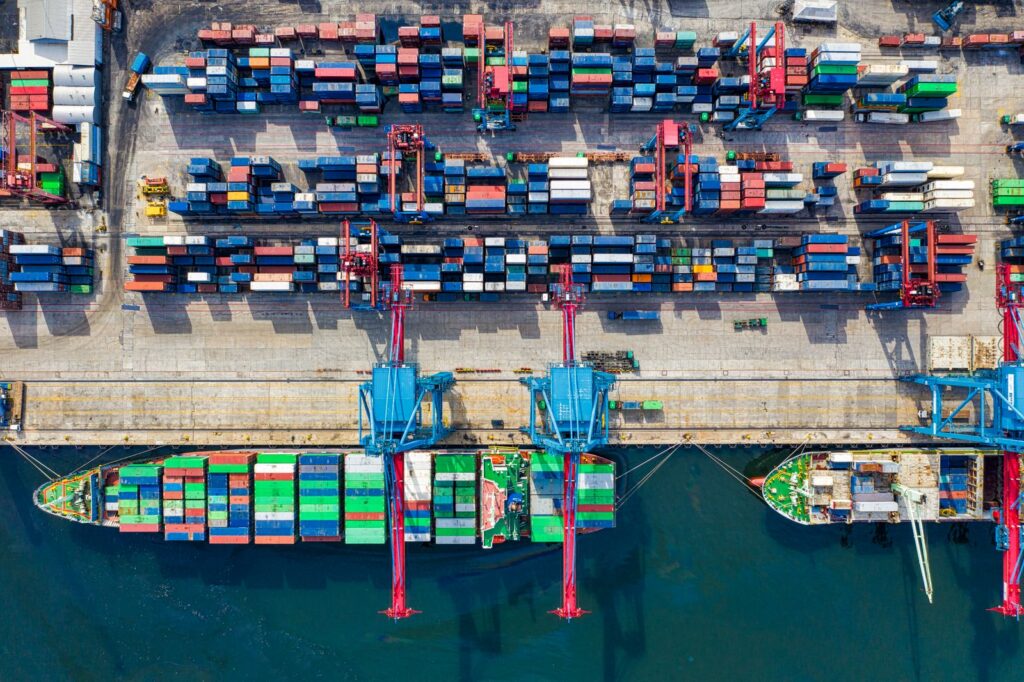
LCL vs FCL Shipping from China: Which Saves More in 2026?
Choosing between LCL and FCL shipping from China is one of the first decisions every importer faces once an order is ready. One option lets you share container space and pay only for what you use; the other locks in an entire container but often delivers a lower cost per cubic metre. Pick the wrong mode and you either overpay for empty space or watch consolidation fees eat your margin.
In this guide we compare LCL (Less than Container Load) and FCL (Full Container Load) side by side. You will learn the real cost drivers, the break-even volume, when each mode makes sense, and how to avoid the mistakes that turn a cheap shipment into an expensive delay. If your business sources through our product sourcing service, your freight plan should match your order size from day one.
Table of Contents
- What LCL and FCL Mean
- Cost Comparison: LCL vs FCL from China
- How LCL Consolidation Works
- When to Choose LCL vs FCL
- Common Mistakes
- Expert Recommendations
- FAQ
- Conclusion
What LCL and FCL Mean
FCL means you book an entire 20-foot (TEU) or 40-foot (FEU) container. The container is sealed at the factory in China and opened at your destination warehouse, so no other shipper’s cargo touches yours.
LCL means your cargo shares container space with goods from other shippers. A freight forwarder consolidates multiple shipments at a Container Freight Station (CFS), loads the container, ships it, and then de-consolidates at the destination CFS.
The key difference is not just space. FCL gives you control, faster transit, and lower risk of damage from repeated handling. LCL gives flexibility and lower upfront cost for small volumes, but it adds consolidation, de-consolidation, and documentation fees.
Cost Comparison: LCL vs FCL from China
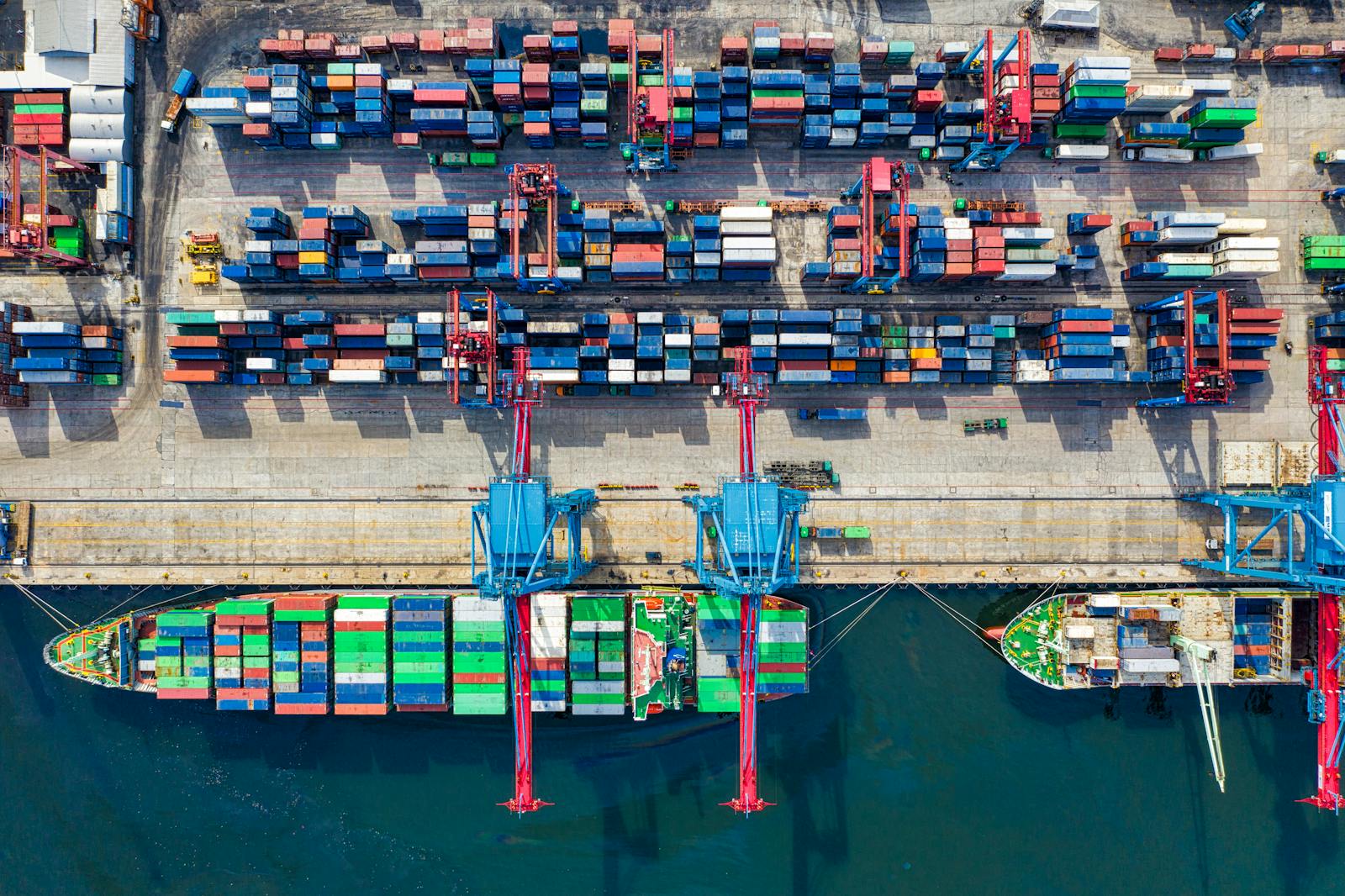
FCL rates are quoted per container. LCL rates are quoted per cubic metre (CBM) or per tonne, whichever is greater. The tipping point usually sits between 13 and 18 CBM, but the exact break-even depends on the lane, fuel surcharge, and current market.
| Cost Factor | LCL | FCL |
|---|---|---|
| Ocean freight | USD 35-75 per CBM to US West Coast | USD 1,800-3,500 per 40’HC to US West Coast |
| Origin handling | USD 50-120 per shipment | USD 200-400 per container |
| CFS consolidation fee | USD 25-50 per CBM | Not applicable |
| Destination de-consolidation | USD 40-90 per CBM | Not applicable |
| Per-CBM efficiency | Higher per-unit cost | Lower per-unit cost above break-even |
| Damage risk | Higher (more handling) | Lower (sealed at origin) |
As a rule of thumb, once your cargo exceeds 15 CBM, start requesting both FCL and LCL quotes. If you are above 20 CBM, FCL is almost always cheaper per unit. Below 10 CBM, LCL is usually the only economical choice.
How LCL Consolidation Works
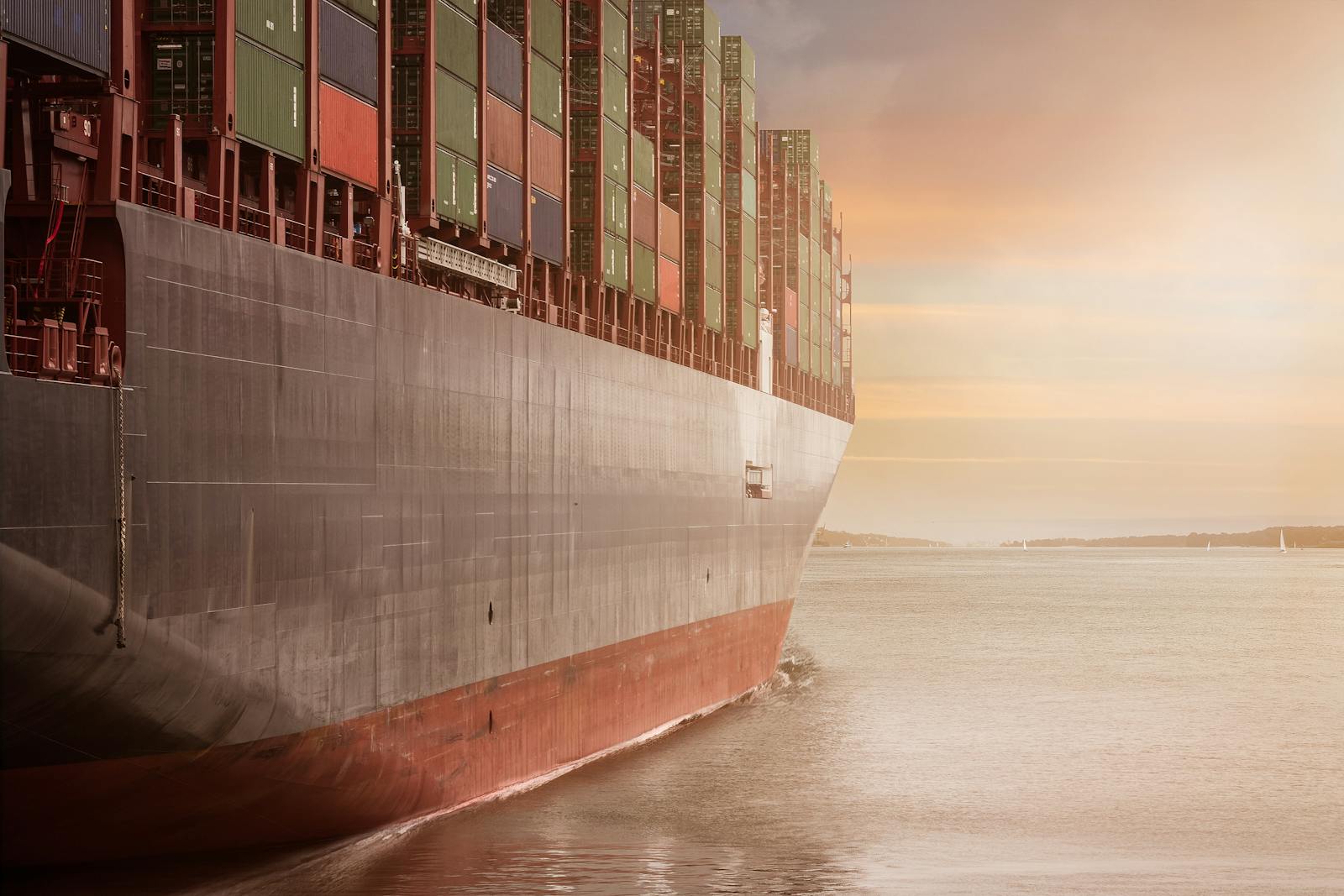
Understanding the LCL chain helps you see where delays and extra fees hide. The typical flow from a China factory to your warehouse looks like this:
- Factory delivery. Goods move from the supplier to the forwarder’s nominated CFS warehouse near the port.
- Consolidation. The forwarder groups your cargo with other shipments until the container is full or the sailing cutoff arrives.
- Export customs. The consolidated container is declared under one master bill of lading with multiple house bills.
- Ocean transit. The vessel sails to the destination port.
- Import customs. The master shipment is cleared, then each house bill is released.
- De-consolidation. The container is unloaded at the destination CFS and your cargo is separated.
- Final-mile delivery. Your shipment is loaded onto a truck or courier for delivery.
Each handoff adds time. A typical LCL shipment from Shanghai to Los Angeles takes 25-35 days door-to-door, while FCL on the same lane can be 18-25 days because there is no consolidation wait.
| Stage | LCL Typical Time | FCL Typical Time |
|---|---|---|
| Origin pick-up to port | 2-5 days | 2-5 days |
| CFS consolidation wait | 3-7 days | Not applicable |
| Export customs & loading | 2-3 days | 1-2 days |
| Ocean transit | 14-18 days | 14-18 days |
| Import customs & de-consolidation | 4-7 days | 2-4 days |
| Final delivery | 2-5 days | 2-5 days |
When to Choose LCL vs FCL
The best mode depends on volume, product value, packaging, and how predictable your demand is.
| Your Situation | Recommended Mode | Why |
|---|---|---|
| Under 10 CBM or testing a new supplier | LCL | Low minimum cost; flexible volume |
| 10-18 CBM with tight deadline | FCL if budget allows | Faster and fewer handoffs |
| Over 18 CBM | FCL | Lower cost per CBM and sealed cargo |
| Fragile or high-value goods | FCL | Less handling, lower damage risk |
| Irregular orders or SKU splits | LCL | Pay only for space you use |
| Seasonal restock with known volume | FCL | Best unit economics and planning |
Common Mistakes
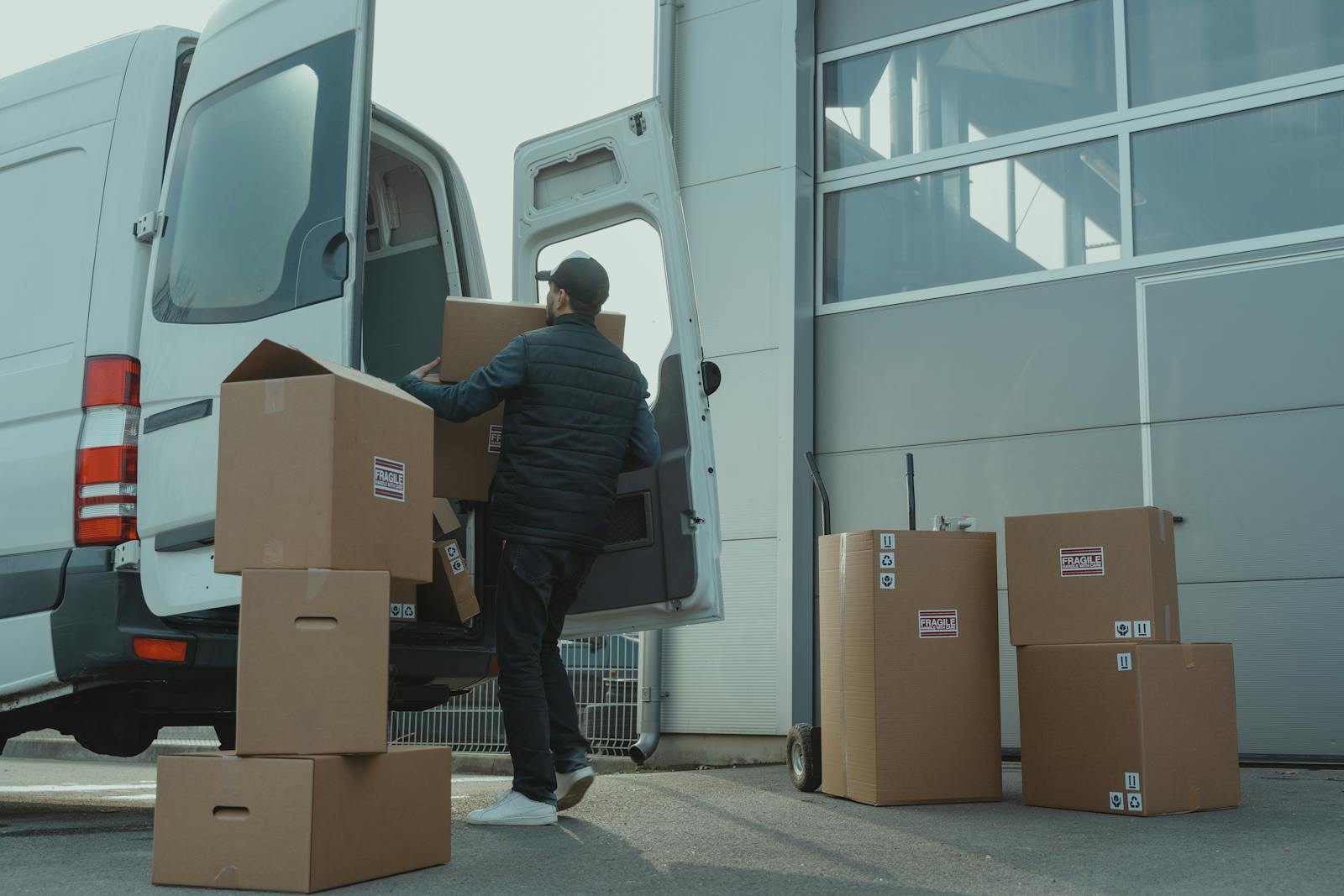
- Ignoring the LCL minimum. Most forwarders charge 1-3 CBM minimum. A 0.5 CBM shipment can cost almost as much as 2 CBM.
- Bad carton dimensions. Odd-shaped cartons waste consolidation space and can trigger higher LCL rates based on volumetric weight.
- Skipping cargo insurance. LCL cargo is handled more often. Without insurance, a crushed carton becomes your loss.
- Booking FCL without enough volume. A half-empty 40-foot container is cheaper per CBM than LCL only above a threshold; otherwise you are paying for air.
- Not comparing all-in rates. Some quotes exclude destination fees. Always ask for door-to-door pricing.
Expert Recommendations
- Get one FCL and one LCL quote for every shipment above 12 CBM. The cheaper option changes with market rates.
- Use FCL for products with many fragile pieces or high retail value. The sealed container reduces claims.
- Plan LCL shipments around consolidation cutoffs. Missing the cutoff by one day can add a week.
- Label every carton with shipper marks, CBM, weight, and a packing list inside the carton.
- Review your landed cost quarterly. Port congestion and fuel surcharges move the LCL/FCL break-even point.
- If speed matters more than cost, compare air freight too. Our sea freight vs air freight guide breaks down the trade-offs.
FAQ
What does LCL mean in shipping?
LCL stands for Less than Container Load. Your cargo shares a container with shipments from other importers, and you pay only for the space you occupy.
What does FCL mean in shipping?
FCL stands for Full Container Load. You book an entire container for your cargo alone, and it is sealed at origin until it reaches your warehouse.
At what CBM should I switch from LCL to FCL?
Most importers switch between 13 and 18 CBM. Above 18 CBM, FCL is usually cheaper per unit. Always compare live quotes because rates change.
Is FCL always faster than LCL?
Yes, in most cases. FCL avoids the consolidation wait at origin and de-consolidation at destination, saving several days.
Can I ship LCL with hazardous goods?
Hazardous goods can move by LCL, but they require proper MSDS, labels, and approval from the consolidator. Some forwarders refuse mixed hazmat cargo.
Do I need a customs broker for LCL and FCL?
Yes. Both modes require customs clearance. Your freight forwarder or a licensed customs broker can file the entry and ISF for you.
Which is safer for fragile products, LCL or FCL?
FCL is safer because the container is sealed at the factory and opened only at destination. LCL cargo is handled multiple times, increasing damage risk.
Conclusion
Neither LCL nor FCL is always the right answer. LCL wins on flexibility and low minimums; FCL wins on speed, security, and per-unit cost once volume rises. The smartest importers quote both for every shipment above 12 CBM, factor in all destination charges, and match the mode to the product. For authoritative import basics, see the U.S. Customs and Border Protection import-export guide.
Need Help Sourcing Products from China?
Request a free sourcing consultation with Woosourcing. Our team can help you with product sourcing, supplier verification, factory audits, quality inspections, private label manufacturing, and international shipping. Contact us today for a free quotation.






Recent Comments